
Making our voices heard - why SME engagement with Stormont matters more than ever
As a new year begins, a familiar rhythm returns to public life in Northern Ireland: budgets are drafted, strategies refreshed and consultations launched. For many people, these can feel remote or technical, something for politicians and civil servants rather than everyday businesses. However for small and medium-sized enterprises (SMEs), nothing could be further from the truth. These consultations are where public policy is shaped, and where business voices can still influence outcomes.
That is why FSB Northern Ireland is urging business owners and managers to engage, to speak up and respond. We need to shape policy now, at the consultation stage, rather than trying to close the stable door after the horse has bolted.
Last week, Finance Minister John O’Dowd published a draft multi-year budget alongside a consultation on the proposed 2026–2029/30 Budget. He made clear he wanted to hear the views of workers, families, businesses and communities. Budgets are not just spreadsheets. They set priorities, determine investment and shape the support available to enterprises across Northern Ireland.
SMEs are the backbone of our economy. Small businesses collectively employ more people than all large firms and the entire public sector combined. When policies support them, Northern Ireland grows. When they restrict them, the damage is felt in jobs, wages and local communities.

Right now, many businesses are under intense pressure.
From April, employment costs and overheads are set to rise again. Unlike large corporations, SMEs do not have deep financial reserves or teams of advisers to absorb these changes. They are being forced to make tough decisions about hiring, investment and even survival.
That is why Stormont must avoid layering additional burdens on top of those already imposed. We need policies that encourage entrepreneurship, attract investment and make it easier, not harder, to employ people. The budget consultation, open until 3 March 2026, is the chance for businesses to spell out what support they need. FSB will submit evidence from members, but direct responses from businesses carry real weight.
Alongside this is a more urgent consultation - the review of Small Business Rate Relief (SBRR), which closes on 29 January. Rates are a fixed cost that do not fall when trade slows. Any changes will have a direct impact on thousands of firms.

With the Assembly already two-thirds through its mandate and elections due next spring, scrutiny matters more than ever. Engaging with consultations is how business helps shape smarter policy. Take the time to respond, speak up through FSB, and make your voice heard.
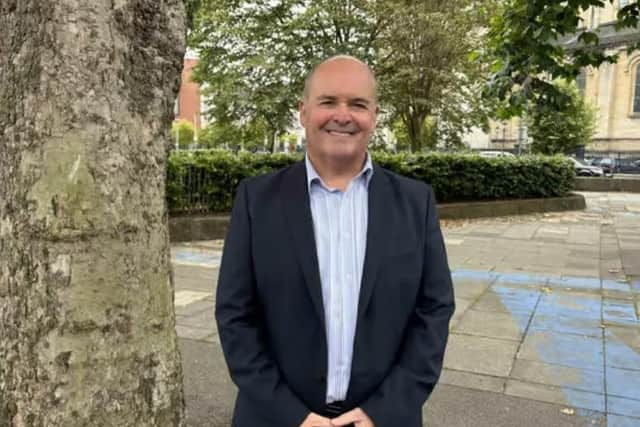
Alan Lowry, Chair, FSB NI.