
Derry’s UU Personalised Medicine Centre makes significant breakthrough in early diagnosis of Chronic Kidney Disease and COVID-19
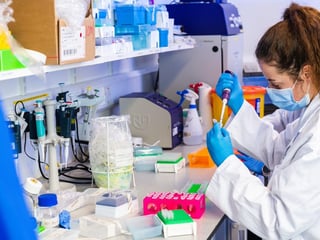
Researchers at Ulster University’s Personalised Medicine Centre in Derry have made a significant breakthrough by developing a faster method of diagnosing Chronic Kidney Disease (CKD) and predicting the severity of COVID-19.
The pioneering new research focused on identifying specific protein markers in senescent cells—aged cells that stop dividing but don’t die—offering new opportunities for earlier diagnosis, more effective treatments, and potentially even disease prevention.
"This is a huge step forward in our understanding of CKD," said Dr. Taranjit Singh Rai, Senior Lecturer at Ulster University’s School of Medicine. "Earlier diagnosis means patients can receive treatment sooner, reducing the number of those who require dialysis, which will ease the strain on NHS renal services."
CKD is one of the most common conditions affecting the population in Northern Ireland, with 79,098 people diagnosed in 2022/23, according to Department of Health statistics.


Currently, CKD is often detected only through routine blood or urine tests conducted for unrelated health issues, meaning patients may not receive a diagnosis until the disease has significantly progressed.
Ulster University researchers have discovered a novel way to use cellular senescence to identify protein markers that indicate CKD severity.
These markers will allow healthcare providers to quickly determine which patients are likely to maintain stable kidney function and which may experience a worsening of their condition. This breakthrough could revolutionise how CKD is diagnosed and managed.
The financial burden of dialysis treatment remains a challenge for the NHS, and this research has the potential to significantly reduce these costs by diagnosing CKD earlier, preventing the need for dialysis in many cases.
The team’s research also extends to COVID-19, where they have identified specific proteins and genetic markers associated with more severe cases of the virus.
Their findings will help predict which patients are at risk of developing serious symptoms or long-term post-COVID syndrome. By detecting these markers early, healthcare providers will be able to offer better-targeted care, ensuring that the most vulnerable patients receive timely interventions.
"The ability to predict severe cases of COVID-19 at an earlier stage could transform how we manage the virus in the future," added Dr. Rai. "This research could play a key role in reducing hospital admissions and ICU pressures by guiding clinical care more effectively."