
Diabetes 'a huge burden' for patients and the NHS - Derry GP Tom Black
I remember carrying out an audit of diabetes in my practice in the early 1990s and we had 47 patients with diabetes, which was less than 1% of the total practice population.
We now have 334 diabetics or 5% of the practice population, and we have a high number of patients with pre-diabetes, who are running the risk of developing the full blown version in the near future.
This is a huge burden of disease for these patients to cope with and seriously affects their lives.
It also represents a huge burden of extra work and cost to the NHS and it’s vital that we try to prevent these cases. The cost at present to the NHS is approximately £10 billion a year, about 6% of the budget and this is expected to increase to 17% over the next 25 years.


If you’re one of the million people in the UK suffering from undiagnosed diabetes, the symptoms are being really thirsty, feeling more tired than usual, losing weight unintentionally, suffering frequent infections or blurred vision. A simple blood test will diagnose this condition in your GP practice but prevention is better than cure.
Most people with diabetes have type two, which is the one caused by poor diet and excess weight with only about 10% having type one diabetes.
Diabetes causes too much glucose in your blood and this damages blood vessels especially those to vital organs. Life expectancy has been estimated to be six years shorter for a 50-year-old with diabetes. This is because of the damage to the vital organs resulting in more heart attacks, strokes, dementia and kidney damage with bad circulation resulting in amputations.
If you’ve been diagnosed with pre-diabetes, your GP practice will give you advice on exercise and diet to try and avoid developing diabetes.
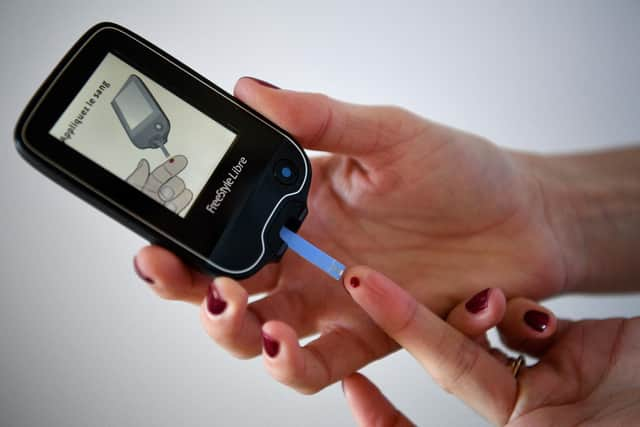
If you have full-blown diabetes depending on how severe it is diet, oral medication or insulin injections are often needed. There have been amazing advances in the treatment of diabetes over the last decade, but we haven’t reached the stage of finding a cure yet so prevention is better than treatment which is lifelong for diabetes.
Due to the multiple complications associated with diabetes you may need to attend various healthcare professionals such as doctors, nurses, dieticians, opticians et cetera to monitor and prevent serious organ damage. This is really time consuming for the patients involved and affects their diet, exercise and all parts of their lives.
Some doctors hope that the recent trend for weight loss injections will result in a slowing down on the increase of diabetic numbers and I would certainly hope this happens. Given the significant personal cost to these patients who pay for these injections privately, you would wonder why exercise, diet and weight reduction wouldn’t be cheaper and easier.
And yet we all know that human nature being what it is this will continue, and, indeed, obesity is now exceeding smoking as the number one cause of ill health, cancer and early death. I was at a Frank Skinner comedy show a few years ago and he is a proud Brummie. “When I was young” he said, “everyone in Birmingham was poor and skinny. When I go back now they’re all fat - that’s progress.”
Not funny, but everyone laughed.