
World War 2 U-boat surrender wharfs in Derry designated historic monument
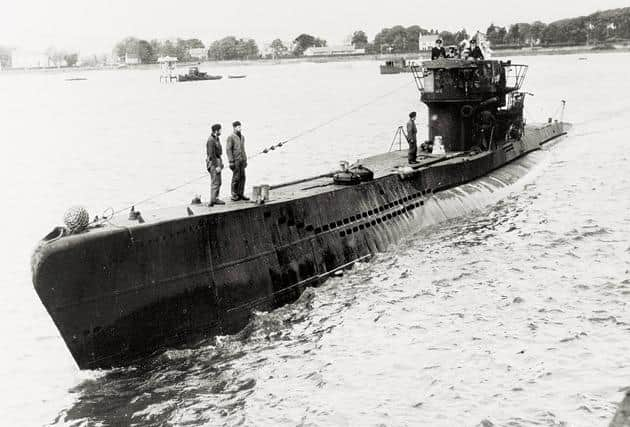
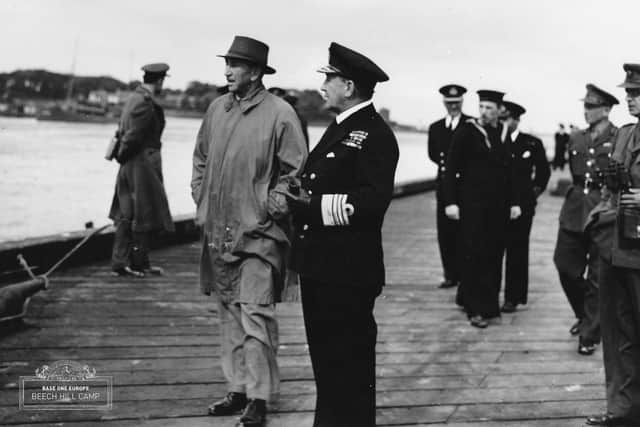
The remains of World War II wharfs where the German U-Boats famously surrendered to the Allied Forces at Lisahally has been added to the schedule of historic monuments in Northern Ireland.
The Lisahally wharfs are among a number of key sites of historic significance which have now received official designation and protection.
The U-Boat surrender signalled an end to the Battle of the Atlantic in May 1945 and Derry played a pivotal part in protecting the Atlantic convoys and in keeping the western front open for the duration of World War Two.
That history is expected to form a major part of the city’s new Derry North Atlantic (DNA) Museum when it opens at Ebrington Square in early 2027.

The Department for Communities has described the sites receiving official designation as “hidden gems”.
Communities Minister Gordon Lyons has welcomed the recent designation of several new historic monuments and buildings across Northern Ireland.
The department has detailed how St Patrick's Chair and Well in County Tyrone, the remains of the World War 2 wharfs in Derry, and a unique battle garden at Kilwarlin Moravian Church were among sites added to the schedule of historic monuments.
A number of granite milestones on the old Enniskillen to Dublin coach road in County Fermanagh were also protected as listed buildings.

Minister Lyons said: “Scheduled historic monuments and listed buildings are among the most important parts of our built heritage, and the structures we have protected this week represent a microcosm of our rich heritage.
“I am pleased that my Department has taken steps to identify and protect these unique aspects of Northern Ireland’s rich and varied historic environment.
“These special places, alongside many others already designated, provide an important narrative in our landscape of the very valuable and diverse history of the places in which we all live.”
Statutory designation of these sites gives formal recognition to their significance and provides a regulatory framework for activity that would change or alter them.
This is implemented through either the Department (Scheduled Monuments) or the local planning authority (Listed Buildings).
The Department for Communities said this regime will ensure that their historic importance is understood and taken into account as they continue to be managed into the future or as changes are proposed.