
Planting bulbs in autumn for early spring colour - Gardening with Brendan
Right now garden centres and shops with a gardening section are stocking a wide variety of bulbs and early autumn is an ideal time to get planting for an early spring display in the ground or in pots.
Bulbs are a beginner friendly, fuss-free alternative to growing plants from seed.
Many of them are also a crucial food source for pollinators at a time when they are emerging from dormancy and on the look out for pollen and nectar.
Snowdrops

One of the earliest native plants to emerge in late winter into early spring is the little woodlander, the snow drop with its green fringed drooping white flowers hanging gracefully from stems above strap like foliage.
Small flowers are often overlooked in the garden but they can conjure a fairy-tale mini wonderland in mass planting, or paired with other small spring plants.
They are great for pots or in the ground and multiply over the years. Snow drops are a crucial early source of nectar and pollen and grow well in damp, shaded areas and there is something very calming and peaceful about these little plants. The Irish name for them Plúirín sneachta ('little flowers of snow') suits them perfectly.
Crocus
One of the earliest bloomers every year is the little crocus, throwing open their blue, white or yellow petals from February when the sun shines and providing some much needed food for pollinators. These hardy, low growing little plants, unlike most bulbs, can multiply pretty easily through self seeding and you may find them popping up in the lawn in early spring.
Wood and St Brigid's Anemones
Unlike the thuggish Japanese variety, St Brigid's anemone won't run amok and bully other plants. These pollinator friendly, short-lived perennials if sown now should produce cup shaped flowers in shades of violet, blue, red, white, purple and pink with black centres from late spring.
Wood anemones are a native wildflower that produces clumps of foliage and white star shaped flowers that thrive in shade and provide an early source of nectar and pollen from March.
Bluebells
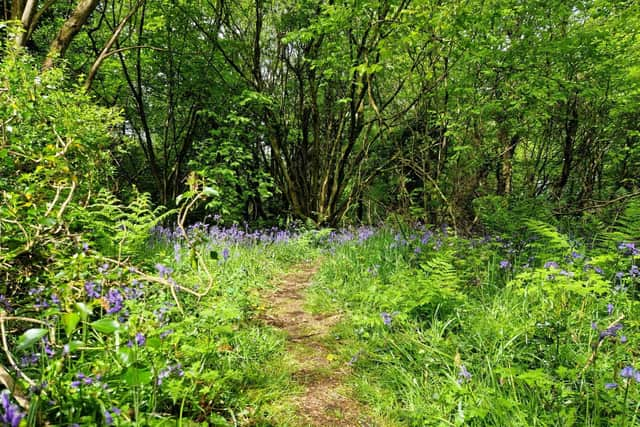
Another native woodlander that thrives in damp shady areas from late spring, Bluebells create mesmerising drifts of colour when little else is in flower. Containing both nectar and pollen, they provide an early food source for pollinators.
They can form quite big clumps over time so probably not the best idea for small spaces.
With bluebells always check their origin. The native ones are the native variety Hyacinthoides non-scripta. Sometimes you will see, especially online, Spanish bluebells for sale but these are invasive and a nightmare to control once they take hold.
Ancient Prehen Woods is a great place to experience them in their natural habitat come springtime.
Muscari (Grape hyacinth)
If you've ever bought or received a planter with a variety of plants in it for Mother's Day or Easter chances are these distinctive little plants will be nestled in there. The tiny bell-shaped bunches of flowers are usually dark blue in colour but also come in white, pale blue and pink and are often overlooked but can be stunning in mass planting. They are nectar rich, so good for pollinators, hardy and robust.
Daffodils
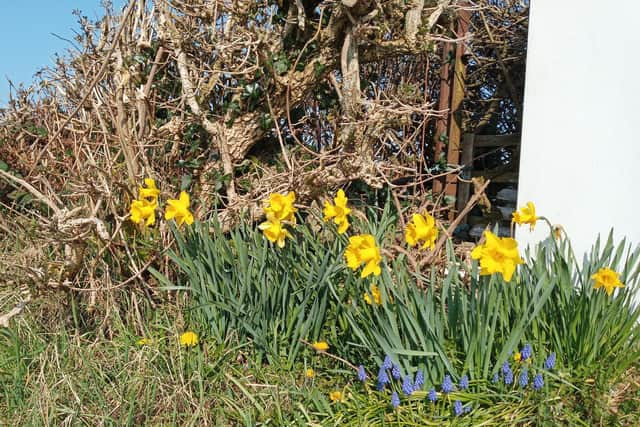
While generally useless to pollinators, it's particularly lovely to see them growing in clumps along the roadsides in Derry after mass plantings by the local Council over recent past decades. Another easy to grow perennial, trumpet shaped yellow daffodils are the herald that announces the dying the days of winter and the arrival of spring. Mini daffodil bulbs are great for containers and window boxes, and look most striking when paired with dark blue Muscari.
Tulips
Tulips come in all hues and various shapes these days and can provide a stunning splash of colour. I'm not the biggest fan of them though as they are a one and done flower and can be hit and miss as to whether they flower at all or return the following year.