
MOT top failure items - Derry Motoring with Jim Mc Cauley
When sourcing car parts locally proves unsuccessful, everyone turns to eBay. The UK’s largest online marketplace recently sourced data from the Driver and Vehicle Standards Agency (DVSA) which revealed the main reasons for MoT failures, indicating in most cases poor preparation of owners’ vehicles before submitting them to a test centre. It investigated MoT failures in Britain between June 1, 2024 and June 30, 2025.
Tyres below the 1.6mm legal limit were the single most common cause of failure, affecting more than one million vehicles. Fractured suspension springs and brake pads worn below 1.5mm were the next most frequent issues.
In the tyre category, which was the fourth highest overall for failures, eight vehicles failed due to inadequate tyre speed ratings - a risk that can cause overheating and blowouts at higher speeds. A further 414 cars failed for being fitted with different size tyres on the same axle.
Other safety issues that should have been obvious to spot included 265 failures for brake performance, specifically when vehicles swerved to one side during testing, and 516 failures due to cut or reworked seatbelt webbing, which could weaken restraint in a crash.
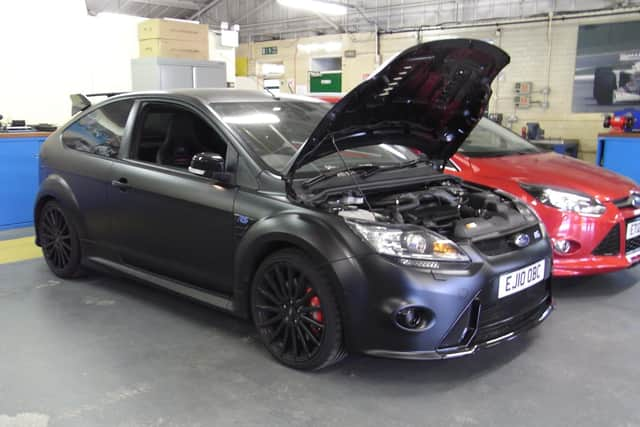

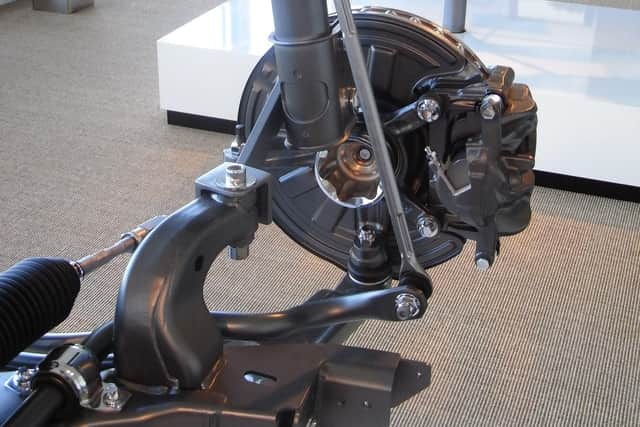
While suspension faults topped the list for overall failures - with broken springs accounting for more than 821,991 unsuccessful MoTs – 394 vehicles were failed for ‘missing’ suspension springs, 20 vehicles failed for having a ‘missing suspension arm’ and 14 for ‘missing’ entire suspension struts – all key suspension components.
While most suspension faults should be easily noticed when driving, it highlights the need for a pre-test professional check for issues that can only be discovered in a workshop.
Not requiring any specialist checking is the number of light failures with faulty side and taillights heading the failure list when considering lamps and electrical equipment.
Brake ware is another specialist check in most cases, with friction material under 1.5mm thick another cause of failure.
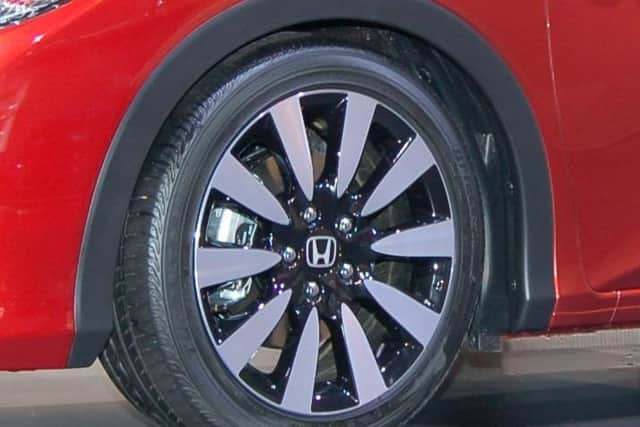
Tyres are an area where owner checking could avoid a failure. Tyres require a minimum of 1.6mm tread across the central three-quarters of its width measured around the entire circumference. While a tyre depth gauge will give an accurate reading, all tyres have a built-in guide. This is the small bar set into the tyre groove and is flush with the surface when wear is at 1.6 mm.
As well as an MoT failure, illegal tyres can lead to fines and points on your licence. Tyre walls contain a host of information including age, and most tyre specialists will advise for free if there is any doubt.
The major mechanical failure concerns CV joints, and in particular the rubber protection boot that maintains the lubricant to keep the joint serviceable. This is another recommended pre-test professional check.
One of the major causes is a lack of regular servicing, which is now encouraged by many manufacturers who operate a service dependent extended warranty, by as much as ten years in some instances.
But regular servicing and pre-test checks are much more than meeting the MoT requirements, as it is primarily about safety which justifies the need for thorough checks.
Not all failures were hidden away though. Analysis of the data revealed 61 motorists were driving vehicles with two different headlights, while over three thousand failed for lacking a wiper blade.