
Jonathan Creswell indecent exposure investigation inadequate and failed victim - Police Ombudsman
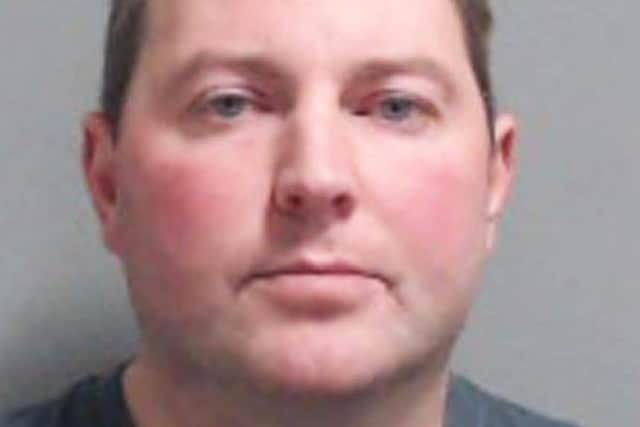
The Police Ombudsman has concluded that a PSNI investigation into an allegation of indecent exposure made against Jonathan Creswell in 2016 was inadequate and failed the victim.
Creswell was found dead on the second day of his trial for the murder of 21-year-old Katie Simpson in April 2024.
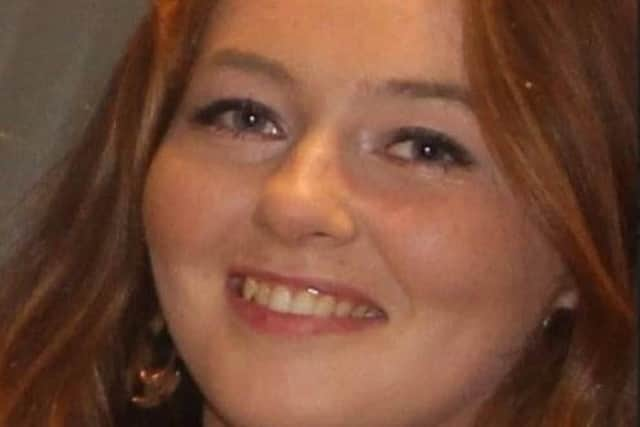
Derry showjumper Katie had been murdered in Lettershandoney on August 9, 2020.
A woman subsequently made a complaint to the Police Ombudsman which raised concerns about how police had dealt with her report, made in January 2016, that he had exposed himself to her at a horse yard in County Antrim the previous October.

The Police Ombudsman’s Director of Investigations, Nikki Davis, said: “Police failed the complainant, both as a woman and as a victim.
“Indecent exposure is a serious crime and can indicate a potential for escalating sexual offending, so it is important that reports are robustly investigated. We also know that sexual crime is under-reported, and that it takes great courage for victims to go to the police.
“Unless reports of sexual offences are properly investigated, victims will be less likely to come forward, offenders will remain free to reoffend, and efforts to combat violence and sexual offending against women and girls will be undermined.”
Shortcomings in the police investigation identified by the Police Ombudsman included that the officer initially assigned to the case recorded only one witness statement during the four months she was in charge. No statements were obtained from three other witnesses, including a potential eyewitness.
A second officer subsequently allocated the case did not obtain any further statements, and neither officer listened to a recording of an allegedly threatening voice message sent by Creswell, the Ombudsman found.
The file submitted to the Public Prosecution Service for Northern Ireland (PPS) by the second investigating officer was also inaccurate. It stated that Creswell was known to police only for motoring offences, whereas he had previously been jailed for violent offending against a woman. It also incorrectly stated that there was no outstanding evidence and no other witnesses in the case.
The PPS subsequently directed that there was insufficient evidence to prosecute but advised that if Creswell was interviewed about the allegation in future, the file could be resubmitted for further consideration.
When interviewed by Police Ombudsman investigators, the police officer initially assigned to the case said she would have obtained the outstanding witness statements if she had kept ownership of the investigation. The second officer, who was allocated the case five months after the initial allegation, said he had not been instructed to obtain any further evidence and believed his role to have been in a monitoring capacity. He added that he had not considered Creswell’s previous violent offending to be relevant to the case.
“The officer failed to provide the PPS with important information concerning Creswell’s prior convictions for violent offending,” said Mrs Davis.
“Indecent exposure is a non-contact sexual offence and a form of sexual violence, so the prior conviction was entirely relevant and should have been disclosed to the PPS.
“It is widely acknowledged that police should be looking at behavioural patterns across incidents and seeking to identify where repeat offending might indicate escalating risk. That clearly did not happen in this case.”
The Police Ombudsman also found that the officers had made inadequate enquiries to locate and interview Creswell. Neither made any enquiries in relation to vehicles linked to him or a mobile phone number believed to be his. And although police had received information that he might be living in County Donegal and travelling regularly to Northern Ireland, the officers did not contact the Irish police service, An Garda Síochána, to check whether they might be able to assist in locating him. They also failed to provide adequate updates to the complainant about progress on the case.
Mrs Davis noted, however, that the officers had attempted to contact Creswell by phone, visited an address associated with him, made enquiries relating to his equestrian background and placed alerts on police systems about two vehicles linked to him.
In a misconduct file submitted to the PSNI, the Police Ombudsman recommended that the two officers should be disciplined for failing to properly investigate the case and not providing adequate updates to the complainant.
After considering the file, the PSNI determined that the issues identified would be better addressed by taking measures intended to improve the officers’ conduct.
Police Ombudsman investigators were unable to complete their enquiries into a separate allegation involving a different police officer who retired during the course of the investigation.
The complainant believed the officer was trying to stop her from talking to the media, the Ombudsman stated. Before retiring the officer provided a statement that he had called her to advise of the intended police response to a media query, and about how information about the case could be reported and used.
Although the complaint to the Police Ombudsman’s Office was initially closed, a fresh investigation was commenced upon receipt of further correspondence from the complainant.
In a statement the PSNI said: “We note today’s announcement from the Police Ombudsman for Northern Ireland (PONI), which states that a Police Service of Northern Ireland investigation into an allegation of indecent exposure made against Jonathan Creswell in 2016 was inadequate and failed the victim.
"In this case, the actions of the officers involved did not meet the expectations of the PSNI or the victim.
"We are committed to providing a victim-centred approach, and to learn from cases where our investigative processes have fallen short.
"We will continue to co-operate fully with PONI in relation to any complaint.”
The Police Ombudsman’s office encoruaged any person impacted by the publication of this investigation to reach out to Victim Support NI, where services are trauma-informed, confidential, safe, and free. The Foyle phone number is 02871 370086 or email: [email protected]