
Derry youth worker Danny Bryce using fishing to support young people and improve well-being
A Derry youth work practitioner has spoken of how fishing is being used to improve the well-being of young people by providing an enjoyable activity in natural stress-free environment.
The Family Response Service in the Western Health & Social Care Trust (WHSCT) includes a team of professional Youth Workers and Family Support Workers who work alongside families when additional support is needed.
Activities are used to engage young people. One of the valuable engagement activities in this work is fishing — a simple, low‑pressure activity that creates an ideal environment for engagement, personal growth, and wellbeing.
Danny Bryce, Youth Work Practitioner, Family Response Service at the Western Trust explains: “Fishing naturally takes place in lakes, rivers, ponds, and coastal areas — settings known as blue‑green spaces. Research consistently shows that spending time near water and nature can reduce stress, improve mood, and enhance overall wellbeing.
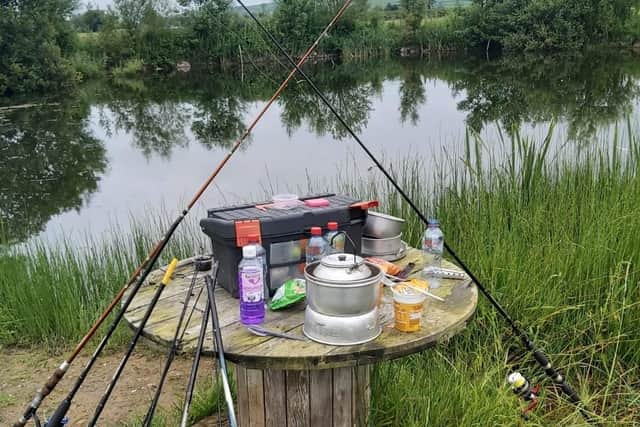

"These environments also provide a rare opportunity to disconnect from screens and daily pressures.
“Fishing requires attention to a single moment — watching the water, feeling the line, noticing the breeze. This creates a natural gateway into mindfulness, helping young people stay grounded, listen to their surrounding, breath.
"Youth Workers teach methods of emotional regulation during these activities which become life skills for young people going forward. Youth workers often use these quiet moments to gently introduce reflective conversations.
“The rhythmic nature of fishing is soothing. Concentration shifts the mind away from stress and into the calm focus of watching the float or line.
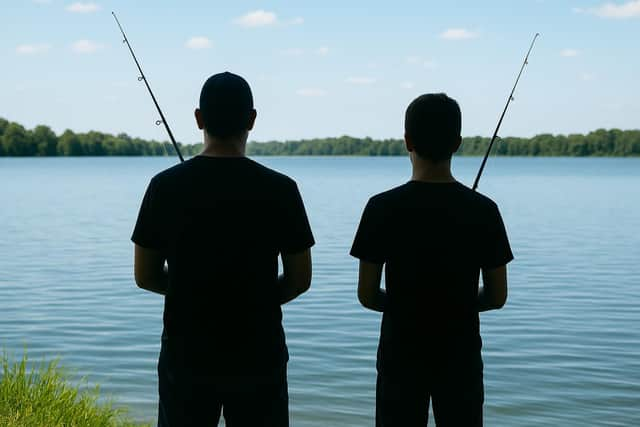
"The anticipation of catching a fish keeps young people motivated and engaged. The sound of the water and wildlife provides a calming influence.”
Danny continued: “Fishing teaches patience, focus, and determination. Young people who struggle with anxiety, hypervigilance, or attention challenges often excel during these sessions.
"Their success provides confidence and demonstrates transferable life skills and ability, which is reinforced by their Youth Worker.
“Fishing introduces practical hands‑on skills such as setting up rods, tying hooks, using floats and weights, selecting bait, and learning about fish species.
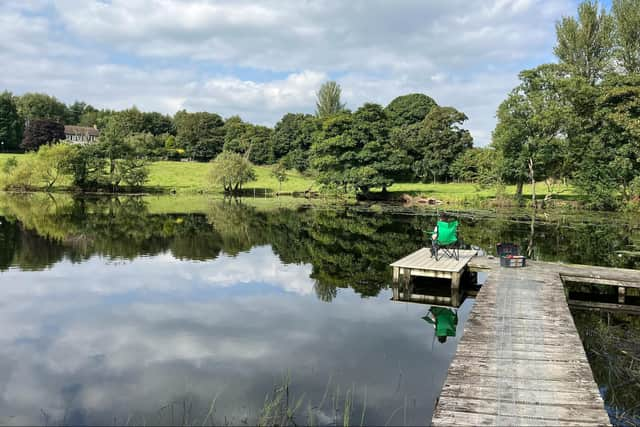
"Assessing risk and wearing appropriate weather gear and buoyancy aids opens conversations about staying safe. Each new skill builds achievement self-esteem and pride.
“Fishing provides uninterrupted time for meaningful conversations, positive memory‑making, and collaborative problem‑solving.
"The Youth Worker uses this time skilfully to gently guide conversations to explore what is going on for the young person and help them process and come up with ideas to positively affect areas they are worrying about.”
Feedback has been very positive:
“I loved learning to fish with D (Youth Worker), it was so peaceful but so much fun too.”
“I caught a trout on my first fishing session. Me and my daddy go fishing now all the time.”
“I think fishing is so relaxing, I love sitting beside the lake just chilling.”
“I went fishing with D every week because it was my favourite activity. I have a fishing rod and tackle now of my own and I love fishing.”
“We’d never been fishing before and now we love getting out when we can as it’s exciting and relaxing at the same time.”
Danny concluded: “Fishing is one of the most beneficial engagement tools I use as a Youth Worker. The shared focus and peaceful environment in nature are perfect elements for having meaningful conversations."