
The terrifying tales have been garnered from a variety of sources including Peter McCartney’s 1993 classic compendium of Derry ghost stories ‘Parade of Phantoms’, which comes highly recommended for anyone interested in the paranormal.
The book was recently reprinted and is available to buy from https://ghpress.com/shop/product/parade-of-phantoms/
1. The Banshees of the Bogside
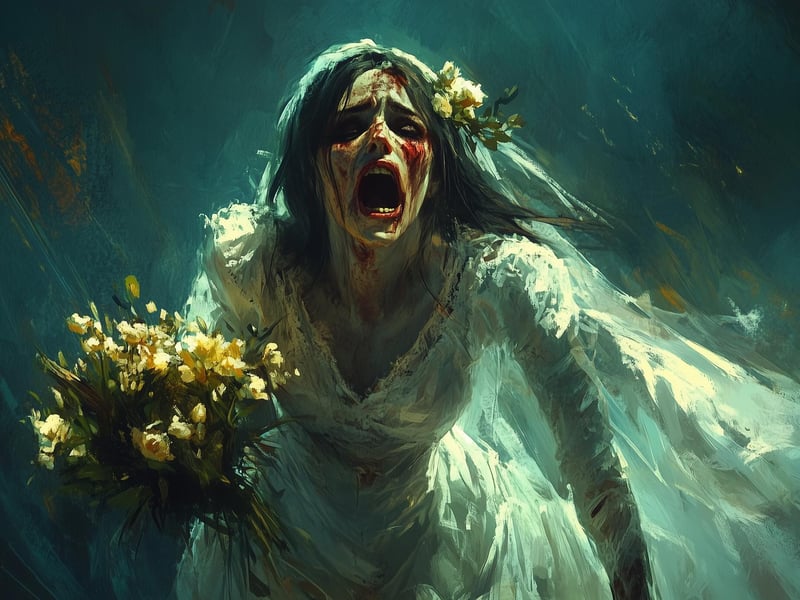
The banshee (bean sidhe), literally a 'fairy woman', was a harbinger of death in the Irish folk tradition. She normally appeared as a young girl or an old woman dressed all in white. According to Peter McCartney's 'Parade of Phantoms': "Derry, not so very long ago, had a strong tradition of acceptance of the banshee myth. Many local people also believed that the appearance of crows, the howling of a dog, or the screeching of a car outside a sick person's house would herald the arrival of the dreaded wailing spectre." The classic catalogue of local ghost stories recounts that one such appearance was recorded at Fulton Place, a side street off Howard Street, that backed onto one of the graveyards of the Long Tower. Photo: Yaroslav Stepannikov - stock.adobe.com
2. The ghosts of Boom Hall
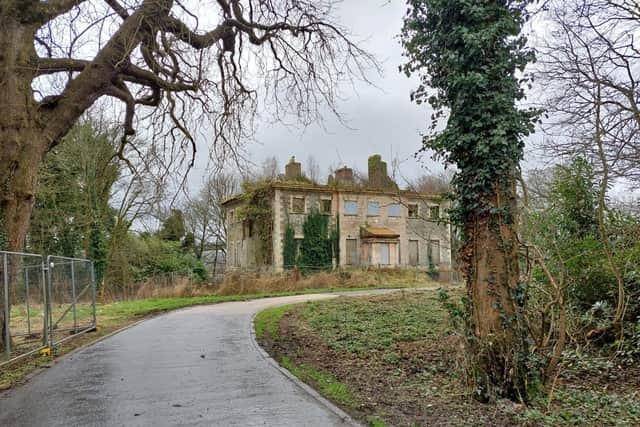
Ghost stories abound about the historic Boom Hall. During the Siege of Derry Captain Robert Browning of The Mountjoy died of wounds received in the battle to relieve the city. "It is said that his wife Jane watched from the shore, from the site of Charles Fort, believing that she would see her husband soon, but it was not to be. Could it be that it really is his ghost that is reputed to walk along the river on the land known as Gunsland in search of his wife, to fulfil a promise that he would return? There have been stories that on misty evenings sounds have echoed across the water and a tall man stands perfectly still, looking towards the river before moving in an erratic way along the riverbank. Some say he wears a military garb but no one really knows." This extract from 'Haunted Derry' by Madeline McCully was reproduced with permission in the 'Journal' in 2015. Photo: Kevin Mullan
3. Southway's headless coachman
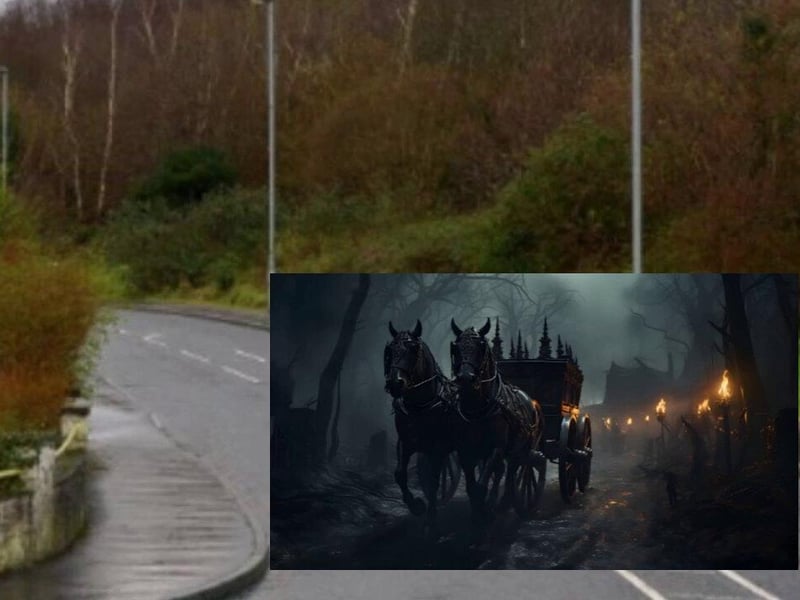
Southway used to be more commonly known as the Coach Road which led from the old fever hospital on Foyle Hill to the city cemetery and was once traversed by fever wagons and hearses. The hospital was eventually demolished but some of the associations gave rise to creepy tales of a peculiar haunting in the area. According to Peter McCartney's wonderful 1993 compendium 'Parade of Phantoms' - "On Hallowe'en night, every third year, a ghostly black hearse drawn by six horses was said to appear on the old Coach Road. Atop the phantom carriage sat a headless coachman, lashing out madly with a whip. Swaying and creaking, the coach would hurtle wildly down the toad and disappear into the cemetery." Photo: Archive
4. The devil and the blacksmith in Howard Street
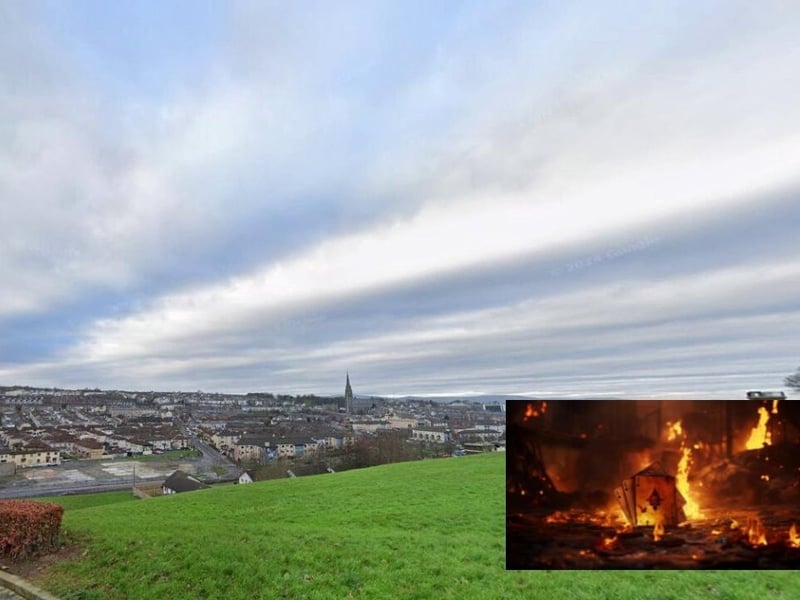
Howard Street once linked St. Columb's Wells and the Long Tower. According to an account in Peter McCartney's 'Parade of Phantoms' there once stood a livery stable at the very top of it. Therein lived and worked a blacksmith who had a reputation as a gambler and drinker. Some locals, tired of the smith's hell-raising, asked a local priest to have a word. When asked to stop he mocked the cleric telling him he would challenge even the devil to a game of cards rather than quit. One stormy night, 'the blacksmith opened the door and was confronted by a tall, lean man wearing a long black cloak, standing stony-still. The man's gaunt face was deathly pale in colour and a faint eerie glow seemed to issue from his deep sunken eyes'. They got to playing cards. The blacksmith lost and realised he was playing with the devil incarnate who told him 'I will only accept your immortal soul'. The stable and forge were burned down and reputedly nothing has ever been built on it since. Photo: Archive