
Autumn Budget 2024: What it means for workers, benefit claimants, pensioners and businesses
Income tax, VAT and National Insurance have not been increased for workers by British Chancellor Rachel Reeves in her Autumn Budget.
Low paid workers, meanwhile, will see a 6.7% increase in the National Living Wage to £12.21 an hour, fuel duty will remain frozen and the basic and new state pension will increase by 4.1 per cent in 2025-26.
However, businesses have been hit with a 1.2% hike in employer National Insurance Contributions (NIC) to 15% and people who earn income from capital gains will see significant tax increases.
Alcohol duty will be cut by 1 penny per average strength pint from next February. Duty on tobacco is to increase from 6pm this evening October 30, 2024.
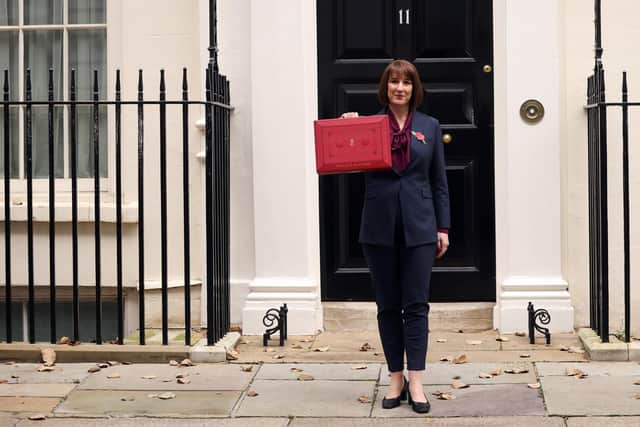

National Living Wage
From April 2025 the NLW will increase to £12.21 per hour for all eligible employees, and the National Minimum Wage for 18-20 year olds will increase to £10 per hour for all eligible workers. The government is also increasing the minimum wages for Under 18s and Apprentices to £7.55 per hour.
Announcing her budget, Ms. Reeves said: “I can confirm that we will accept the commission’s recommendation to increase the NLW by 6.7% to £12.21 an hour, worth up to £1,400 a year for a full-time worker.
"And, for the first time, we will move towards a single adult rate, phased in over time by initially increasing the national minimum wage for 18 to 20-year-olds by 16.3 per cent, as recommended by the Low Pay Commission, taking it to £10 an hour—a Labour policy to protect working people, being delivered by a Labour Government once again.”
Income Tax
Basic, higher or additional rates of income tax are not being increased for workers.
National Insurance Contributions (NICs)
NICs will not rise for workers. However businesses will see NIC increases. The budget states: “To repair the public finances and help raise the revenue required to increase funding for public services, the government is taking the difficult decision to increase the rate of employer NICs by 1.2 percentage points to 15%. The per-employee threshold at which employers start to pay NI will be reduced from £9,100 per year to £5,000 per year. These changes will apply from April 6, 2025.”
Value-Added Tax
There will be no increase to VAT.
Ms. Reeves said: “I say to working people, I will not increase your NI, I will not increase your VAT, and I will not increase your income tax. Working people will not see higher taxes in their payslips as a result of the choices I am making today. That is a promise made and a promise fulfilled.”
She described the decision to increase employer NICs as a difficult one.
"This will raise £25 billion per year by the end of the forecast period. I know that this is a difficult choice; I do not take this decision lightly,” she said.
Pensions
The government will maintain the State Pension Triple Lock for the duration of this Parliament. The basic and new State Pension will increase by 4.1 per cent in 2025-26, in line with earnings growth, meaning over 12 million pensioners will receive up to £470 per year.
The Chancellor said: “Our manifesto committed to the triple lock, meaning that spending on the state pension is forecast to rise by over £31 billion by 2029-30, to ensure our pensioners are protected in their retirement.
"That commitment means that while working-age benefits will be uprated in line with CPI at 1.7%, the basic and new state pension will be uprated by 4.1% in 2025-26.
"This means that over 12 million pensioners will gain up to £470 next year, up to £275 more than uprating by inflation. The pension credit standard minimum guarantee will also rise by 4.1%, from around £11,400 per year to around £11,850 a year for a single pensioner.”
Working-age Benefits
The government will uprate working age benefits by September 2024 Consumer Price Index (CPI) of 1.7% from April 2025. This will see around 5.7 million families on Universal Credit gain £150 on average in 2025-26.
Capital Gains Tax
The Budget increases the lower rate of Capital Gains Tax (CGT) from 10% to 18% and the higher rate from 20% to 24%.
Ms. Reeves said: “We will increase the lower rate of capital gains tax from 10% to 18% and the higher rate from 20% to 24%, while maintaining the rates of capital gains tax on residential property at 18% and 24%.”
Inheritance Tax
The current inheritance tax thresholds are due to be frozen until April 2028, and the government is extending these threshold freezes for a further two years to April 2030.
The Chancellor declared: “That means that the first £325,000 of any estate can be inherited tax-free, rising to £500,000 if the estate includes a residence passed to direct descendants and £1 million when a tax-free allowance is passed to a surviving spouse or civil partner.”
Alcohol Duty
The government is cutting alcohol duty on draught products from February next year, reducing it by 1 penny per average strength pint. Alcohol duty on non-draught products will increase in line with Retail Price Index (RPI) inflation.
Ms. Reeves said: “Nearly two thirds of alcoholic drinks sold in pubs are served on draught, so today, instead of uprating these products in line with inflation, I am cutting draught duty by 1.7% which means a penny off the pint in the pub.”
Tobacco Duty
The government will renew the Tobacco Duty escalator of RPI+2% for the remainder of this Parliament and will increase duty by a further 10% on hand-rolling tobacco this year. A new Vaping Products Duty will be introduced from October 1, 2026 at a flat rate of £2.20 per 10ml vaping liquid.
Stamp Duty
The government is increasing the Higher Rates for Additional Dwellings of Stamp Duty Land Tax from 3% to 5% from October 31. These higher rates apply to purchases of second homes, buy-to-let properties and companies purchasing residential property.