
Common genetic conditions in Ireland - Medical Matters with Derry GP Dr Tom Black
Most families are registered with the same GP, as children usually join their mother’s practice and this helps with their healthcare as many conditions run in families. Some of these are due to genes and some are due to social circumstances.
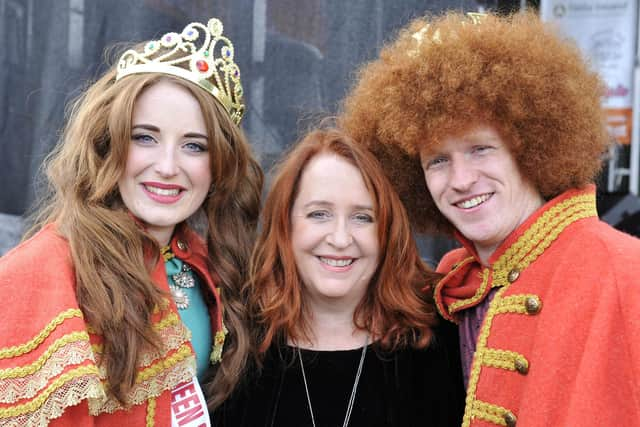
My favourite inherited condition is red hair and Ireland and Scotland have the highest rates of red hair in the world. About 10% of Irish people have red hair but because it is a recessive gene you only have red hair if both parents give you a copy of the gene. Close to half of us are carriers for the red hair gene so you can have two parents who don’t have red hair but if both are carriers then one in four of their children will be redheaded.
Red hair does have an effect on your health as your skin is paler with more freckles and therefore more efficient at vitamin D production. The pale skin however leaves you more susceptible to skin damage from the sun and also skin cancer. Redheads are thought to require more anaesthesia and have a higher tolerance for some types of pain.
Haemochromatosis is another genetic condition where the Irish unfortunately lead the world and it’s been called the Celtic curse. Haemochromatosis is where the body absorbs too much iron and this can damage organs such as the heart and liver leading to heart failure and cirrhosis and in severe cases to diabetes.

About one in five people are carriers for the various haemochromatosis genes but only one in 83 Irish people carry two copies of the gene which can lead to the disease. Being a carrier of the gene will not lead to disease.
The symptoms of haemochromatosis are chronic tiredness, joint pains, abdominal pain and sexual dysfunction with rare cases of diabetes. The actual disease can be diagnosed by getting a blood test done with your GP to check your iron levels and if they’re high a genetic test can be done. Treatment for haemochromatosis is usually venesection where blood is taken from the patient every one to two weeks to start with and when the iron levels are back to normal usually every three months to maintain good health.
We’re not sure why there is such high levels of this haemochromatosis gene in Ireland but usually high rates of a condition like this are associated with an advantage in life so that the gene is selected preferentially.
One theory is that the Irish famine left the poor in Ireland malnourished with a diet low in iron so that you were more likely to survive and have children if you had haemochromatosis and therefore you pass the gene onto further generations.

It’s definitely a disadvantage now and if you have a close relative with the disease a simple blood test with your GP would be the sensible thing to do.
The best medical advice as ever is “choose your parents carefully”.
*Dr. Tom Black is a Derry-based GP and is the former chair of the British Medical Association (BMA) NI.