
Meningitis – a brush with death in the days before vaccines
The recent outbreak of bacterial meningitis among young people in England brought back memories of my experience whilst a student back at a time before vaccines were developed. I thought it worth sharing the symptoms I had and relate just how rapidly meningitis and septicaemia can develop and become life-threatening.
It was almost 30 years ago now since a team at Altnagelvin Hospital saved my life one summer night in August 1996. I’d completed my first year at university in Liverpool and had been back home in Derry for the summer.
My memory of events is a bit hazy but I do remember it was a sunny day and I was kicking a football about with some friends out the front of our house in Galliagh. I’d got a part-time job as a cleaner in Belmont House School but I wasn’t working that day. I remember my left arm started feeling heavy and strange. That evening I was babysitting for neighbours a few doors down and my left arm and leg stopped working. I had to get a message to my little brother to come and take over and I went home to bed.
That night I experienced a shivering cold like nothing I've felt before or since. I got every coat I could find and eventually I fell asleep.

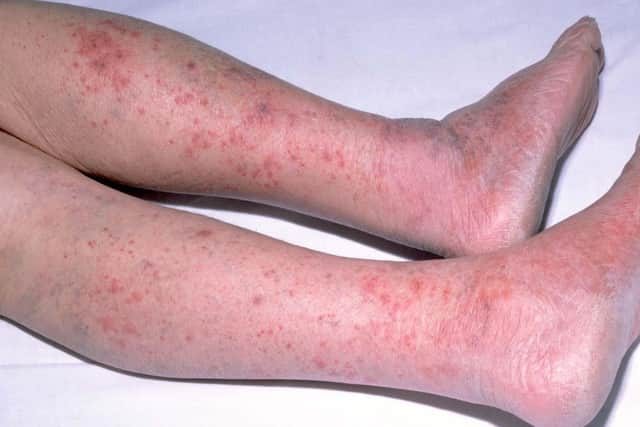
The next day I didn't feel so bad at first and was laid up on the sofa, a bit dazed. It just felt like some bug at that stage. That evening though things changed rapidly, starting with a severe headache. I remember I felt like my head was going to explode. My parents decided I needed to go to the Out of Hours GP. I went upstairs to get dressed properly and I noticed little pin prick dark spots all over my legs and then on my arms.
We didn't have a car. My mother and sister got a taxi with me to a doctor’s surgery. The doctor looked at the rash. He asked if I'd taken anything and I told him I hadn’t. He gave me four strong pain killers. I kept that little red and white packet of painkillers for years. The doctor told my mother to contact our own doctors if she was still concerned by the morning. I collapsed in the toilets of the surgery.
My mother recalls standing there in the waiting room, desperate, and she says she asked God to direct her, and out of character she asked to speak to the doctor again and told him she was not taking to me home but to hospital. He told her that they'd both feel better because of that decision. It was pure instinct and had she not spoken up I’d most likely have died in the night.
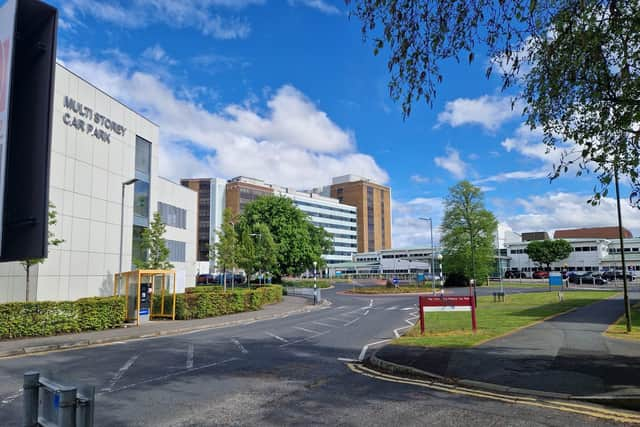
She phoned a taxi from the payphone. In the time it took to get to Altnagelvin A&E my eyesight had started to go, the pain in my head now unbearable. I remember wishing someone would shoot me. We were directed at A&E straight through to a ward where the staff seemed to be on stand-by and they swept into action straight away. They were already treating me as a suspected meningitis case.
Everything after that was a blur. I lost consciousness at some stage. I was told after the pinpricks had turned to purple blotches. At some point a lumbar puncture - a sort of tap to take fluid from the spine to test for meningitis- was performed.
I was told later there was a doctor there who stayed long after his shift ended. He stayed through the night, pumping antibiotics into me. He didn't give up. Neither did the nurses.
In the days that followed a doctor told my family I was the luckiest man alive. I was in hospital for around a fortnight. I recovered quickly enough with no physical side effects, bar some headaches I played down.
I had had menningococcal meningitis C and septicimea. It took a while to understand what had happened. I remember being very anxious about my siblings, friends and the kids I was babysitting in case they got it. They didn't, thankfully. To this day I have no idea how or why I did. There was no outbreak locally.
Against all advice a few weeks later I got the boat back to Liverpool to start second year at university. It was far too soon and I was too weak but I would not be dissuaded.
There was a toll to that. I became exhausted. Depression set in quickly although I didn't recognise it for what it was at the time. I felt ashamed, embarrassed. I hadn't changed that much physically but mentally I felt like a different person. None of it was dramatic or particularly visible.
I wasn’t dead, I never lost any limbs or digits or organs, and for that you have to be very thankful, but something like that does change you and you do feel guilty about surviving it intact. You are also confronted at a young age with your own mortality. You feel a bit like a ghost. I started having some memory issues, a lot of brain fog. There’s things I don’t remember. And of course I told no-one.
In a way though, studying and working that year at university helped get me back on track. I went on to complete the year and the degree. It’s something I’ve never really spoken about or revisited, but seeing what happened in England brought home to me how sharing such an experience might help someone else.
Vaccination is a choice and in the internet age where misinformation can spread faster than a virus that choice can be more difficult. All I know is that I wouldn’t wish what happened to me then on anyone today and if there’d been a vaccine available back then I would have urged everyone I knew to seriously consider getting it.