
The use of artificial intelligence in healthcare - Medical Matters with Derry GP Dr Tom Black
We have been hearing a lot recently about how artificial intelligence (AI) is going to change how we look after patients. Like all change it will appear to be very slow at the beginning and then quickly as it becomes the norm.
When I started as a doctor 40 years ago, there were no computers in hospital wards or in GP surgeries and everything was recorded on paper.
We would struggle now to look after so many patients on so many complicated drugs without the help from computers. Some of my patients have over 6,000 contact reports, thousands of blood results and prescriptions and hundreds of hospital letters recorded in their notes. One lady asked me recently if I had read her notes before she came in. I responded that if I took a week off work it wouldn’t give me enough time to read all her notes.
So our computers help us to record and manage the huge amount of information generated by patients living longer with more conditions and multiple medications and tests. Which way will AI change healthcare and are we ready for it?


AI is already been used in radiology to help doctors interpret CT and MRI scans, improving the accuracy of diagnosis and helping with the huge workload our radiologists manage.
AI can automate administrative tasks such as recording of consultation records and we now have “ambient scribe” tools that listen to and summarise consultations with patients, although the doctor still has to check the record.
There’s now discussion about how AI can be used in teaching and this includes healthcare education.
This is because AI can automate repetitive tasks and synthesise vast amounts of medical literature.
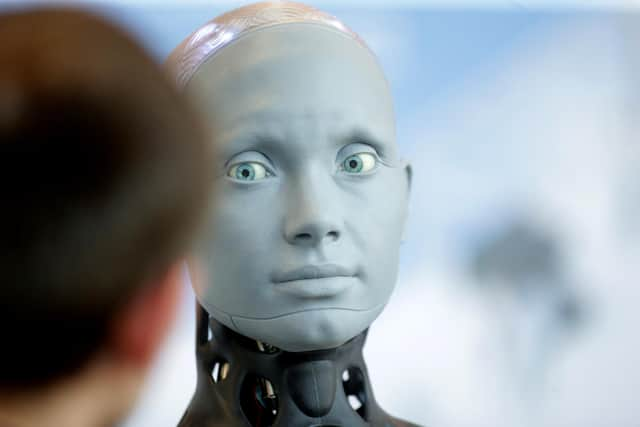
In the clinical area AI can check research, create personalised treatment plans and optimise workflow but I’d be happier if a human being was checking their work.
There’s no doubt that patients will in the future interact directly with AI when they access NHS services. Would you be content communicating with a chatbot when you’re ordering your repeat prescription instead of with a receptionist? What if you need your tablets early because you’re going on holidays?
Will patients with minor illnesses interact directly with AI in the future for diagnosis, treatment and management and if so how will the AI cope with the colloquialisms and metaphorical allusions that patients in this area love to use? “The wains throwing and he’s boiling up! My knees are killing me and my tonsils look like hand grenades! You need to rub me out and draw me over again.” My personal favourite is - “How are you? Cat!”
We’re already seeing the effects of automisation and enlarged data sets with patients arriving from private clinics with 42 pages of blood results for their GP to interpret.
The NHS can’t cope with this and GPs turn these patients back to the organisation that did the blood tests.I’m seeing communications coming out of hospitals many patient pages long where there has been a failure by the discharging healthcare worker to summarise the discharge report. This wastes everybody’s time and we need to be careful that AI doesn’t overwhelm the humans and cause stress and burnout.
We will have to be careful with all this change and make sure that it helps patients, can be coped with by the healthcare workers and doesn’t do more harm than good.