
Insurance fraud - Motoring with Jim Mc Cauley
Thousands of unsuspecting motorists are falling foul of fraudsters who pose as legitimate insurance brokers, using social media or messaging apps as a hunting ground to sell bogus policies - leaving victims unknowingly uninsured with serious consequences.
Young drivers are the primary targets, with conmen exploiting their financial vulnerability. This is particularly true for young people in Northern Ireland, who are forking out up to £3000 in annual premiums - more than anywhere else in the UK outside of London.
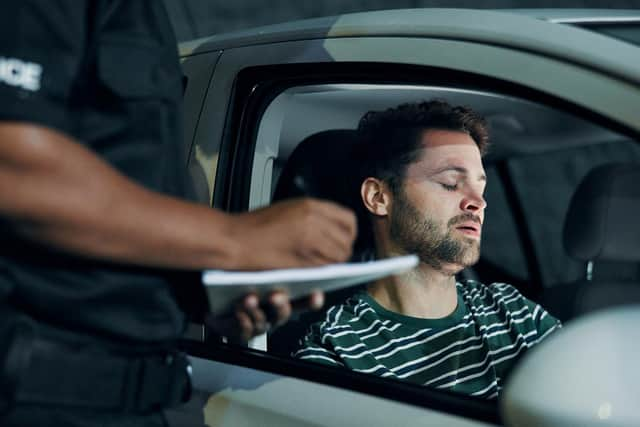
Victims of ghost brokers are often lured in by significantly cheaper prices, only to be sold a fake or invalid policy which they will likely only discover when they are stopped by police or try to make a claim.
Motorists caught driving without insurance face a £200 fine, vehicle seizure and six penalty points on their licence, which will ultimately lead to higher insurance premiums in future.

A survey of 700 motorists by CompareNI.com found that 44% of drivers here are worried about being duped into buying fake insurance. Alarmingly, while two thirds are aware of ghost brokers selling fake policies, less than half are confident they could identify one of these fraudsters.
Almost all the respondents felt high insurance costs were making drivers more vulnerable to these types of scams. This finding reflects recent trends, with the Insurance Fraud Bureau reporting a 52% increase in ghost-broking activity between 2022 and 2024.
Commissioning the survey, Ian Wilson, car insurance expert and Managing Director at CompareNI.com said, “By offering significantly lower premiums for example, scammers attract budget-conscious shoppers, especially young drivers, who may not have the experience or awareness of the risks associated with these ‘too good to be true’ deals”.
It pays to make a thorough check beforehand.
Verify the broker’s credentials:
Legitimate brokers in the UK must be registered with the Financial Conduct Authority (FCA). Check with them if they are authorised to sell insurance.
Price seems too good to be true:
Brokers offering unrealistically cheap rates is a major red flag. Compare quotes from multiple reputable insurance companies to get a sense of the typical price range for your needs.
Selling exclusively through social media:
While many genuine brokers have social media accounts such as Facebook, TikTok or Instagram, they are unlikely to conduct the entire insurance transaction through those platforms. Be highly suspicious if the seller only wants to communicate via direct messaging and has no professional website or physical office.
Contact the insurer directly:
If you are unsure about the legitimacy of a broker or policy, contact the insurance company directly using contact details from their official website to verify the authenticity.
Avoid cash transactions or bank transfers:
Legitimate brokers will usually take payments via secure and protected methods, such as debit/credit card, direct debit or online portals. Be suspicious of anyone asking for cash payments or bank transfers.
Check policy documents thoroughly:
Always double-check all personal details on your insurance schedule to make sure the information is completely accurate. Ghost brokers sometimes alter information such as your address, occupation, vehicle type or driving history to lower the premium.
Check comparison websites:
If using an online comparison site, ensure it is reputable, has partnerships with well-known insurance companies and a high score from a recognised customer review site.