
January sales - Derry Motoring with Jim Mc Cauley
The UK new car market grew by 3.4% in January to reach 144,127 sales, according to the latest figures published by the Society of Motor Manufacturers and Traders (SMMT), resulting in the best start to a year since pre-pandemic 2020.
Registrations by private retail buyers rose by 4.5% and fleets increased by 1.6%. Fleets remained by far the largest source of new car registrations, accounting for 61.2% of the market.
However, uptake of battery electric vehicles rose by just 0.1% to 29,654 units – delivering a 20.6% market share, the lowest since April 2025. The decrease follows a strong 2025 January performance when uptake was pulled forward as buyers sought to avoid April’s introduction of new tax rates on BEVs.
January is typically a lower volume month in Britain with number plate changes in March and September, compared to Northern Ireland’s January change. As such it does not necessarily indicate the full year trend, although the latest market forecast predicts total sales to cross two million.
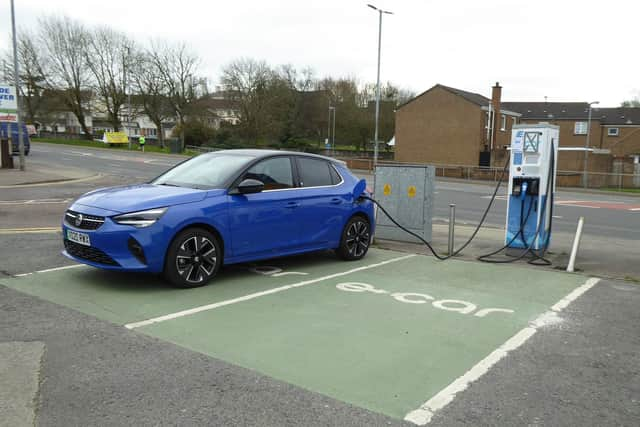

Increasing model choice, improved range and the re-introduction of government support through the Electric Car Grant last July has helped strengthen the 2026 outlook for BEV uptake, with these vehicles now expected to comprise 28.5% of the market. Although this would represent tangible progress on 2025, it would still be short of the 33% mandated target for the year. This government imposed ZEV Mandate (Zero Emission Vehicles) requires manufacturers to sell an increasing percentage of cars and vans each year until all are zero emissions by 2035. Individual manufacturers face substantial financial penalties if they fail to meet each annual target. So far the average falls short of official forecasts.
Future uptake is also be influenced by the proposed introduction of eVED from April 2028. This was announced in the 2025 Budget and is a new mileage charge for all-electric BEVs and plug-in hybrid cars.
Considering the UK regions, while there was a 3.4% change in new car registrations overall, sales were stable in Wales, and up 5% in England. Scotland saw a decline of 7.3% in sales during January.
However, Northern Ireland had the worst decline with a 11% fall, recording 4,296 cars registered. This has been a difficult start for the motor trade here as they adapt to the requirement that new vehicles approved for sale in Great Britain may not be registered in Northern Ireland. The changes will only apply to new and not used vehicles. However, car manufacturers can seek both EU, GB or “dual” approvals to sell across the entire UK.
Although the report highlights an improving charging network as contributing to BEV uptake, this is far from being seen in our council area. While private buyers will take advantage of slow home charging, our city is an unwelcomed visiting base for BEV drivers with limited, and in one case poorly maintained, fast charging units.
In contrast, January registrations in the Republic indicated a positive start to the year for the Irish motor industry. A total of 34,606 registrations showed an increase of 3.3% compared to January 2025. Donegal recorded 938 new car sales, up 12.3%. Of the Irish total, 7,319 were BEVs showing a significant increase of 49% over January 2025 and the highest number of monthly BEV registrations to date.