
But while humans are a major part of the problem, we are also a big part of the solution. By shifting our behaviours collectively, and in small ways individually, we can help stop the decline and perhaps even reverse the trend.
The Irish National Biodiversity Data Centre has pointed to research that shows “more than half of Ireland’s bee species have undergone substantial declines in their numbers since 1980”. In fact, it states, the distribution of 42 species has declined by more than 50%.
Back in 2006 an Irish Bee Red List publication stated that 30% of the Irish species are threatened with extinction, with six species ‘critically endangered’,and 24 other either endangered or vulnerable.
One of the problems causing this is the volume of the right flowering plants have been severely reduced. There are very few wild flower meadows left. A lot of hedgerows and woodlands are also gone, but we can all do our bit, even by leaving wildflowers like dandelions, the mayflower and blackberry bushes to flower undisturbed. Local, regional and national initiatives like pesticide bans, pollinator plans and No Mow May campaigns also help.
There has been a huge effort to try to get people across the world to adopt pollinator friendly practices and gardeners have been among those leading that charge. Anyone with a garden or space for a few pots can join in.
So what are bees and other insects looking for? Essentially flowers produce two types of food fuel for bees: nectar and pollen. Some flowers provide a lot of both, some provide one or the other, and some provide very little. The pollen is largely used for reproducing and feeding baby bees, while the nectar feeds the other bees or is stored away as winter food for them. It is from nectar that you get honey, and it is in the bees collecting their food sources from one plant to the next that crops and other plants are fertilised and then produce food for us, or viable seed for more plants. THe bigger the variety of plants you have, the more pollinators you are likely to attract (and the better for soil health too).
I have limited growing experience and I know there are other plants which are rich in both nectar and pollen which I do not have or have started this year but have not flowered yet, so this list will likely change in time. And there’s no real science behind this either, it’s just what I have observed the bees, hoverflies and occasional butterfly returning to most frequently.
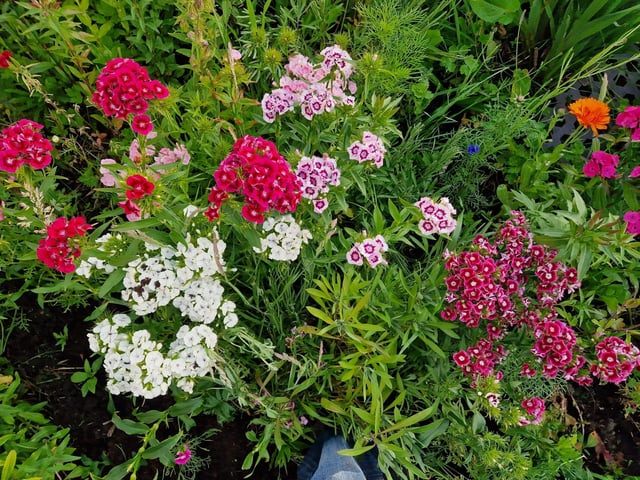
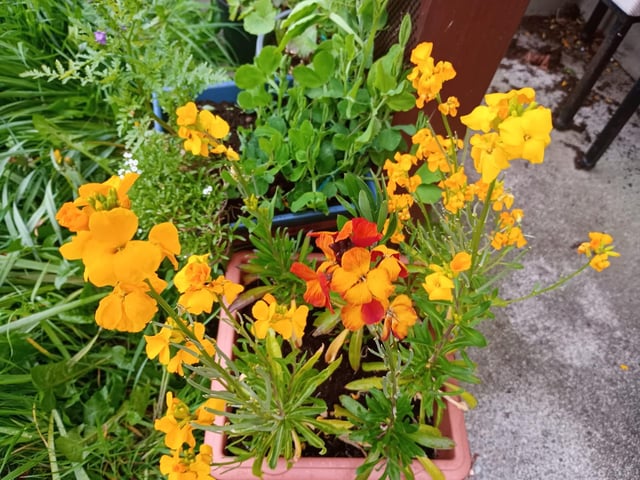
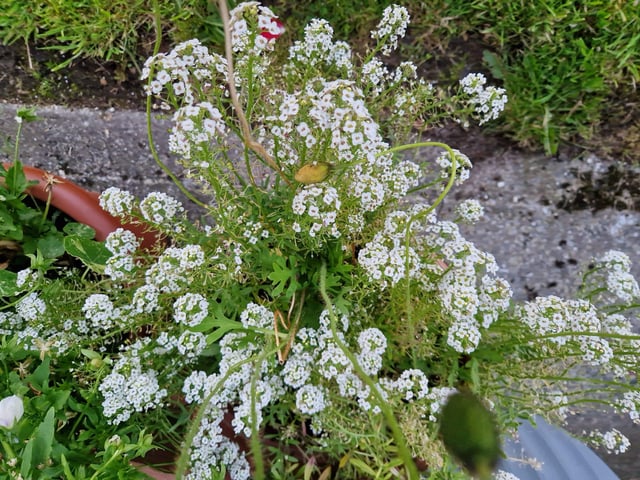
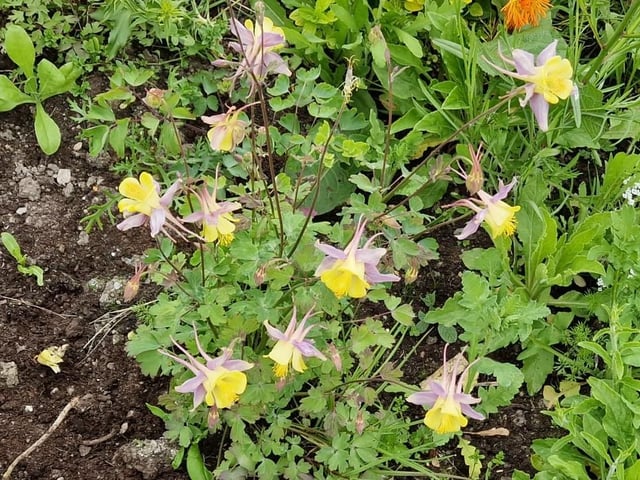
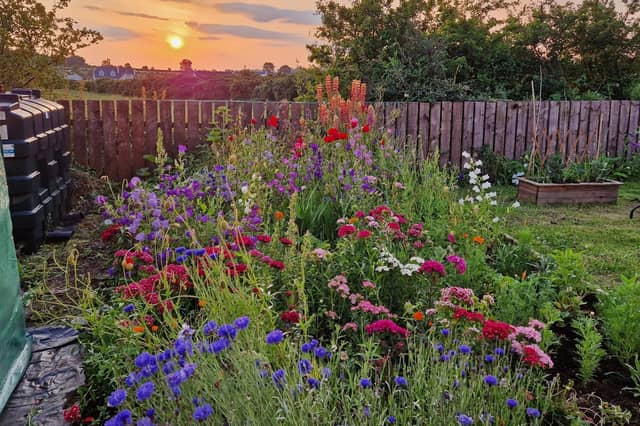
Of the 50 or so different flowers I’ve grown over recent years, the Oriental Poppies and Iceland Poppies are the ones which have proved the most attractive to bees. While they don’t contain nectar, they do have a lot of easily accessible pollen which the bees in my garden will fight over. The others I’d recommend for pollinators based on my own experience in Ireland are Cornflowers, Lupins, Sweet Pea, Sweet Alyssum, Aquilegia, Sweet William, Sunflowers, Hollyhock, Gypsophila (Baby’s Breath), Canterbury Bells (or any other Campanula) and Wallflowers.
I may have some seeds to give away free from some of these later in the year.
Let me know if there are other flowers you’d recommend by emailing: [email protected]