
Awareness event on stalking held in Derry's St Eugene’s Cathedral Parish Hall
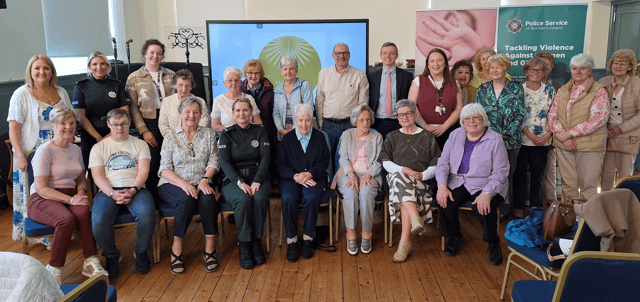
Police from Derry and the Derry City and Strabane Council joined together on Thursday with statutory and community organisations for an event to raise awareness of stalking.
A spokesperson for the PSNI said: Stalking is a pattern of unwanted, repeated behaviour which can leave you feeling scared or distressed. You do not have to be threatened with violence to be a victim of stalking, and any kind of persistent, unwanted contact which causes distress is stalking.
Sometimes stalking behaviours can appear small in isolation, but when they are combined into a pattern which follows the FOUR mnemonic - Fixated, Obsessed, Unwanted, Repeated - then you should record it, keep a log of evidence and report it before it escalates further.
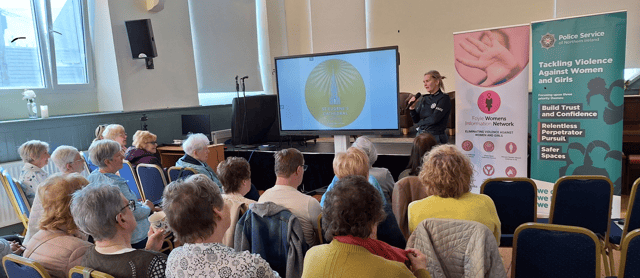
At the Thursday event, that was held in St. Eugene’s Cathedral Parish Hall featured speakers from the Police Service of Northern Ireland (PSNI), Foyle Women’s Aid, and the Foyle Women’s Information Network (FWIN). Attendees heard from each organisation, with informative and impactful inputs about how to recognise stalking behaviours, understanding the law in Northern Ireland, and accessing vital support services.

Attendees heard how stalking is defined in law, including the use of Stalking Protection Orders, and the role of police in identifying patterns of behaviour that often form part of wider coercive control and domestic abuse. Partner organisations provided insight into the lived realities of victims, highlighting the emotional, psychological, and practical impact stalking can have, as well as the importance of early intervention and reporting.
The event aimed to create a safe and supportive environment for open discussion, with participants engaging in conversations around personal safety, recognising warning signs, and understanding the pathways available for help and support. Frontline organisations also shared information on advocacy services, safety planning, and ongoing support for those affected.
The police said the collaborative approach between policing and community partners demonstrates a continued commitment to tackling violence against women and girls, increasing awareness of stalking, and strengthening community confidence in seeking support. The event formed part of ongoing efforts to educate and empower local communities, ensuring that stalking is recognised, reported, and addressed effectively.
A Police Service spokesperson said: "Stalking is a crime, which will not be tolerated or accepted within our communities. Thousands of our officers and staff have now been trained to recognise and respond to these crimes and we will continue to use every tool at our disposal to bring offenders to justice."
For further advice about spotting the signs of stalking and how to report it and seek support, visit https://www.psni.police.uk/safety-and-support/keeping-safe/protecting-yourself/stalking-and-harassment
In an emergency, always call 999.
If you are not sure if you are being stalked you can contact the National Stalking Helpline: https://www.suzylamplugh.org/pages/category/national-stalking-helpline or 0808 802 0300.
Unexpected visits to your home, workplace, or other places you regularly go.
Persistent contact, such as repeated phone calls, messages, or social media attempts.
Unwanted gifts or items being sent or left at your address.
Interference with your property, including damage or attempts to break in.
Loitering or hanging around places you are known to visit.
Contacting your family, friends, or colleagues to gather information about you or to make complaints.
Verbal abuse, intimidation, or attempts to humiliate you publicly.
Hacking or attempts to access your social media accounts or email.
Spreading rumours or trying to discredit you.