
Derry & Strabane Council strike new rates increase for 2025 / 26
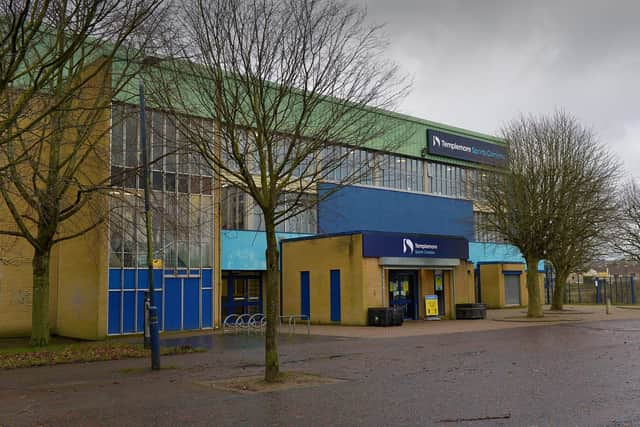
Derry & Strabane elected representatives have struck a rates increase of 4.92%, which could, they were told, help accelerate the delivery on new Templemore and Strabane leisure centres.
The recommended district rate increase was endorsed by 22 elected representatives with eight voting against the increase, and six others abstaining from the vote.

Sinn Féin and UUP representatives voted in favour of the proposed increase, along with Independent Councillor Paul Gallagher. The DUP abstained from the vote, as did Independent Councillor Shauna Cusack, while SDLP representatives voted against it, along with People Before Profit Colr. Shaun Harkin and Independent Councillors Gary Donnelly, Raymond Barr and Jason Barr.
Prior to their decision, Council members were presented with a report stating that this increase to the District rate for the coming financial year would equate to an increase of £28.96 per annum or 56p per week for an average domestic ratepayer. Meanwhile a non-domestic rate of 39.5993 pence in the pound was recommended.

The new rates hike is lower than in recent years. Last year the rates increase struck was 6.5%, while the year before it was higher again at 7.97%.
The 2025/26 report by the Council’s Lead Finance Officer stated that the “last few years have seen significant financial challenges for Councils with local and national pay pressures, global cost of living pressures and soaring inflation levels”.
"This necessitated the implementation of a £3.697m programme of savings and cuts during the 2023/24 rates process. In 2024/25, Council agreed to strike a District rates increase of 6.5%, which when coupled with a 4% regional rates increase saw bills rise by 5.35%.”
"Alongside this, Council retained a sum of £5.034m within its Financial Contingency Reserve at March 31, 2024 to mitigate against further potential emerging pressures and risks.”
The report states that while Derry & Strabane’s ‘rate poundage’ are the highest of the 11 Councils in Northern Ireland for domestic ratepayers and the second highest for non-domestic ratepayers, “this clearly results from Council having the lowest average property values and therefore having to impose higher rates poundages in order to raise the same rates income to deliver critical front-line services as other more wealthy Councils”.
In terms of rates bill amounts per household, domestic ratepayers in Derry & Strabane paid among the least in Northern Ireland, eighth of the 11 Councils, while non-domestic rate-payers paid the fourth highest.
The Council has a an overall £89.28m gross expenditure budget, with Council itself funding 12.9% through service income and grants, while 84.90% is through rates income, both domestic and non-domestic.
In relation to gross expenditure by Council, key areas of expenditure include salaries and wages at £43.8m, waste contracts £9.29m, capital financing £9.85m, premises costs £6.22m, airport £3.45m, vehicle costs (excl. insurance) £2.5m and insurance £1.39m.
“For 2025/26, financial challenges unfortunately remain. The key challenges include continuing pay pressures, the impact of the recent UK budget and associated changes to the national insurance regime, inflation levels continuing to be volatile (2.5% December 2024), global volatility, construction inflation, and risks to Central Government grants due to current NI Executive budget pressures.”
The report states that the council currently has full funding in place to enable it to work on delivering £106m projects such as the Daisyfield Sports Hub, Shirt Factory artworks, the new cemetery at Mullenan Road, the DNA Museum, Acorn Farm and Derg Active.
A further £5.136m of major repairs and renewals projects have either been completed or are progressing with full funding identified.
“Council approved a 6/7 year funding strategy and 1.5% rates investment as part of the 2024/25 rates process aimed at achieving over £440m new investment to include City Deal/ Inclusive Future Fund, two new strategic leisure developments at Templemore and Strabane, new civic/ commercial office development as part of the wider aspirations for the future Central Riverfront City Deal investment and University expansion, as well as continued investment in community projects including play parks, greenways, community centres, pitch provision and waste facilities across the Council District."
The report states that in respect of the airport business case, £3m funding has been confirmed from DfI for the 2024/25 financial year and work is at an advanced stage in terms of securing four further years funding of £3m from DfE for the year’s 2025/26- 2028/29. “This would enable £1.9m to be released from the airport recurrent operational subsidy budget and re-directed to the financing of Council’s strategic leisure aspirations in line with the agreed funding strategy.”
What a further 1.5% rates investment as part of this year’s rates process as well as successful conclusion of airport business case discussions will mean, the report states, is that Council will now have financing of up to £100m in place towards its two strategic leisure aspirations at Templemore Sports Complex and Strabane, subject to interest rates remaining at or below 6%.
"This will enable the two projects to progress to detailed design, consultation and planning. Two further year’s rates investment at 1.5% (2026/27 and 2027/28) will increase this sum to £130m and enable the projects to progress to construction."
Chairing the meeting, Deputy Mayor, UUP Alderman Darren Guy said he understood that some people had voted against the rates increase for various reasons, but that he felt that “as long as people are seeing that they are getting something for their money again then it makes a difference”.
He added: “We do support the leisure strategy and the assistance we have received from City of Derry Airport has basically helped us be able to move things forward that have sat too long and need to be dealt with.”