
Psychologist Dr. Shane McCarney shares cancer journey to challenge palliative care myths
A senior clinical psychologist who spent years supporting patients facing life-limiting illnesses has spoken about the shock of becoming a patient himself and is now encouraging others not to fear the words ‘palliative care’.
Dr. Shane McCarney, previously worked in the Western Health and Social Care Trust, including roles within brain injury services and palliative and oncology services.
In September last year, Shane received a prostate-specific antigen (PSA) test result that was higher than expected. Having routinely monitored his PSA levels, the result came as a surprise and led to a series of tests and scans.
On December 12, he was diagnosed with stage four metastatic prostate cancer.
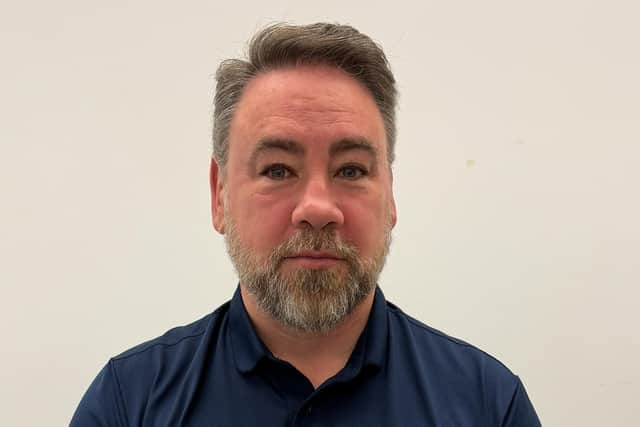

Shane has shared his story as part of Palliative Care Week (September 6-12).
Reflecting on the diagnosis, Shane said: “After the diagnosis, my focus quickly turned to treatment. At stage four, treatment is not about a cure. Instead, it is about controlling the disease for as long as possible, prolonging life and maintaining the best possible quality of life during that time.”
Shane is receiving treatment through the North West Cancer Centre and says he is grateful for the care and support he has received.
While coming to terms with his diagnosis, he and his wife Olga decided to focus on setting goals for the future.
“Very quickly, my wife Olga gave me something positive to focus on. Together we decided to take part in the Ring of Kerry cycle in July. We completed 106 miles and although we were initially hesitant about sharing my diagnosis publicly, we decided to use the event to raise money for charity,” he said.
The couple raised more than £18,500 for local charities, including the North West Cancer Centre, Termonmaguirc Cancer Patients Comfort Fund, Care for Cancer in Omagh and Prostate Cancer UK.
Since then, Shane has continued to focus on maintaining his health and wellbeing through exercise and community programmes such as Move More.
Today, his appointments are every three months and he remains active, something he believes challenges common misconceptions about cancer and palliative care.
“People are often surprised when they see me. Many expect someone with advanced cancer or receiving palliative care to look unwell, to be in pain or to require constant medical support. Thankfully, that hasn’t been my experience.
“I’m still active, I’m still enjoying life and doing things that matter to me. It’s important for people to understand that someone living with stage four cancer may look just like anybody else.”
Drawing on his professional and personal experiences, Shane hopes to reassure others facing similar diagnoses.
“If I have one message for people, it is not to be afraid of the words ‘palliative care’ because it is not what you think. Hearing those words can be frightening and many people immediately assume the worst.
“What I have learned is that palliative care is about helping people to live as well as possible, for as long as possible. It is about managing symptoms, supporting quality of life and helping people continue to do the things that matter most to them.
“Since my diagnosis, I have experienced an excellent quality of life. My treatment, the support available and the care I have received have allowed me to focus not just on living longer, but on living well.
“For me, palliative care means receiving the best possible care and support. It has given me confidence, reassurance and the opportunity to focus on making the most of every day.”
Shane added: “When you hear the term palliative care, it doesn’t mean there are no options left. In my experience, it means you are being offered the best support available to help you live your life as fully as possible. That is something people should not fear.”
The Western Trust, in partnership with the All Ireland Institute of Hospice and Palliative Care (AIIHPC), is encouraging people to learn more about palliative care during Palliative Car Week.
This year’s campaign theme, ‘It’s Not What You Think’, aims to challenge common misconceptions and highlight the positive difference palliative care can make to people with life-limiting illnesses and their families.
Many people mistakenly believe palliative care is only provided at the very end of life. In reality it can be introduced much earlier to help people manage symptoms, improve quality of life and access practical, emotional, social and spiritual support.
Martina Donaghy, Western Trust Palliative Care Facilitator said: "Palliative care is about helping people live as well as possible for as long as possible. It supports not only patients, but also their families and carers, helping them navigate the challenges that can come with a serious illness.”
“This year’s theme, ‘It’s Not What You Think’, is an opportunity to challenge some of the common myths surrounding palliative care and raise awareness of the wide range of supports available.
“Palliative care is not only for people with cancer – it can benefit anyone living with a life-limiting illness. It is available to people of all ages and can be provided in a range of settings, including hospitals, hospices, care homes and people’s own homes.”
Emma King, Western Trust Macmillan Specialist Palliative Care Team Manager added: “Importantly, palliative care is not only about dying. It can support people from the point of diagnosis onwards, helping them manage symptoms, maintain independence and continue doing the things that are important to them.
"It can also support families and carers and may include rehabilitative palliative care, complementary therapies and creative arts therapies.
“While palliative care can be provided throughout the course of a life-limiting illness, end of life care is one part of palliative care and usually refers to the care provided when a person’s life expectancy is limited to a short period of time.”
Information sessions are scheduled for Monday, September 7, at Altnagelvin Hospital); Tuesday, September 8, at the South West Acute Hospital and Omagh Hospital; Wednesday, September 9, at Omagh Credit Union; and Thursday, September 10, at Waterside Credit Union.