
Toxic flora: 10 poisonous plants you may want to avoid planting if you have young children or pets
Most of us know about the dangers of giant hogweed, poisonous mushrooms, and potential killers like hemlock and deadly nightshade, but there are other more common plants that you might want to avoid if you have small children or pets due to their highly toxicity.
If you have little ones who will chew on anything, or dogs, cats or bunnies that will chomp on leaves, or like to dig up and take a bite out of flower bulbs then it's important to know which plants are safe and which could result in serious illness or worse.
A lot of the flowers and foliage in the garden are harmless and some leaves and flowers such as calendula, pansies, nasturtiums and cornflowers are even edible, but some are quite dangerous.
If any of the following are ingested the first thing to do is try not to panic as some will cause mild symptoms that can be easily treated and / or will pass, unless taken in large quantities, but it's always best to seek urgent medical or veterinary care advice if it does happen.


Daffodils: At this time of year the daffodils are making way for other plants but did you know that all parts of the daffodil, especially bulbs, contain high levels of lycorine, a toxic acid, that can be fatal to animals and humans? Ingestion can cause convulsions and even cardiac arrest.
Bluebells: Another beautiful plant poking through the soil and coming into bloom at this time of year, all parts of this woodland wonder are likewise toxic to humans, pets and cattle etc. Its toxic glycosides can be fatal if eaten in large enough quantities.
If you are planting any edible allium bulbs like onions or spring onions, plant well away from bluebells as mistaking the similar foliage and bulbs of the latter for the former could prove deadly.
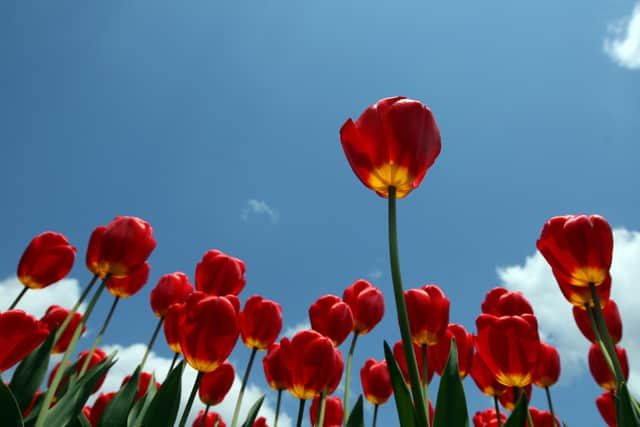
Tulips: Yet another late spring favourite, tulips are also one to plant well away from onions as their bulbs look quite similar. All parts of the tulip are toxic, and like daffodils, the bulbs are the most dangerous. The poisonous element named tulipanin if eaten can lead to nausea, cramps and, in large enough amounts, respiratory failure.

Foxglove: Common in the wild and in gardens across Ireland, biennial foxglove is one of the most toxic ornamental plants with all parts of the plant poisonous, including its tubular bells. The reason it is so dangerous for humans and animals is that it contains cardiac glycosides.
Wear gloves if growing or handling as even touching the fine hairs and leaves can cause a skin reaction.
Lillies: You've heard the expression curiosity killed the cat, and that can be especially true if your beloved feline starts poking around among the lillies. All parts of the lily are toxic and small amounts can cause kidney failure and even death in dogs, but especially cats.
Even the water that cut flower lillies are sitting in can pose peril to pets and small children. Bouquets with lillies are best left out of reach.
Rhubarb: Part edible (stalks), part toxic, rhubarb contains high levels of oxalic acid in the leaves - which can be coma inducing as well as causing nausea, vomiting, convulsions and headaches.
Needless to say the leaves are not edible, in contrast to the stalks which are fine to eat and are often boiled with sugar to create sweet desserts.
Delphiniums: These graceful, tall flowering plants are extremely toxic, and that is especially the case with young seedlings and growing plants. A small amount can be deadly if ingested so always take care to wear gloves of you are growing these in the garden and plant well away from vegetables, fruit or anything edible that you are growing.
Lily of the Valley: This innocent looking little plant with its drooping white flowers is not only a garden bully that almost always becomes invasive and is near impossible to eradicate but it is also highly toxic, particularly the roots which spread underground and pop up all over the place.
It can cause all sorts of horrific side effects and can be deadly.
Hydrangea: An easy to grow garden favourite, these water-loving plants (hence the name) contain traces of cyanide and all parts of the plant are toxic, the flowers and leaves particularly so.
Poinsettia: A Christmas favourite, the milky sap that sometimes exudes from this can cause rash and itchy skin and if ingested can cause severe nausea and vomiting.