


The ‘Journal’ took the opportunity to have a look around the wonderful archipelago which is very similar in landscape to the highlands and islands of Donegal and the Sperrins and which has ancients links to Ireland dating back to the 6th century.
With the tourist hotspots of southern Europe suffering suffocating heat this July, perhaps a trip to these northern islands may become an increasingly attractive option in the years ahead.
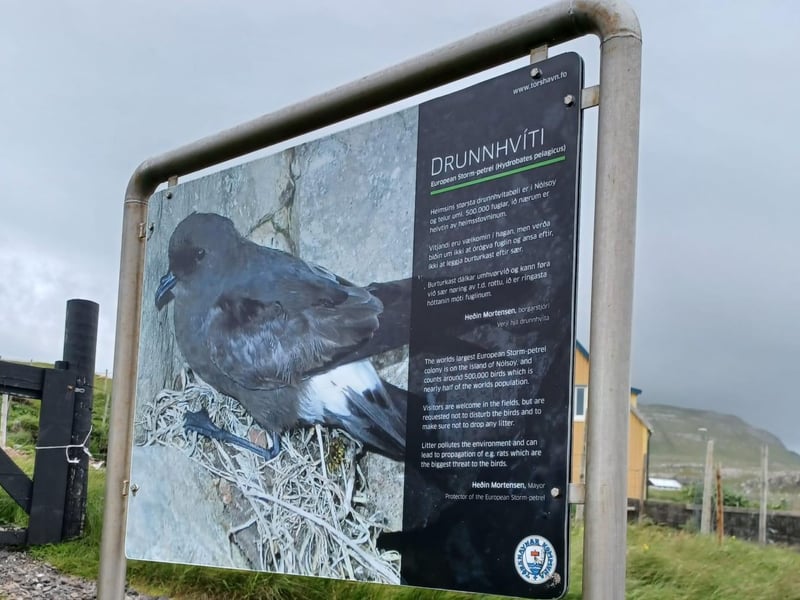
9. The world's largest European Storm-petrel colony is on the island of Nólsoy with 500,000 birds, nearly half the world's population. The bird is known as the 'Drumnhvíti' in Faroese.
The world's largest European Storm-petrel colony is on the island of Nólsoy with 500,000 birds, nearly half the world's population. The bird is known as the 'Drumnhvíti' in Faroese. Photo: Kevin Mullan
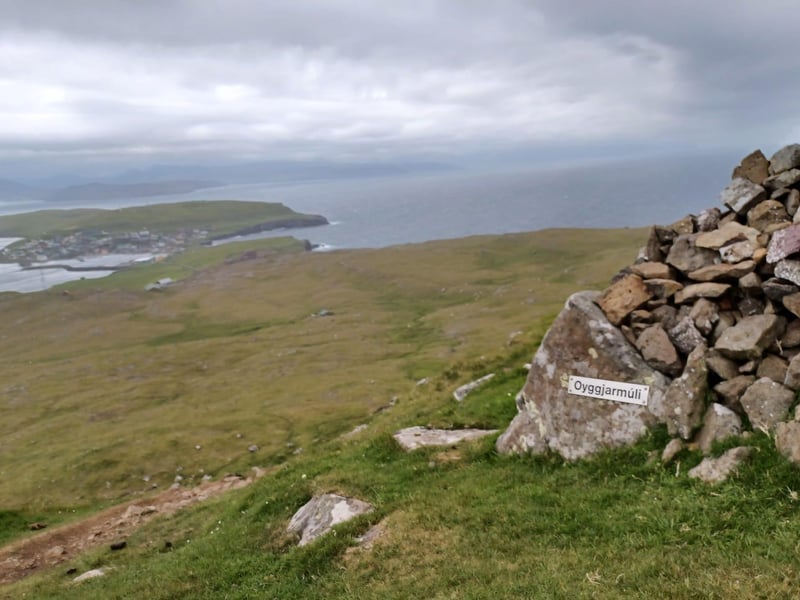
10. A view of Nólsoy village from the slopes of Høgoyggj.
A view of Nólsoy village from the slopes of Høgoyggj. Photo: Kevin Mullan
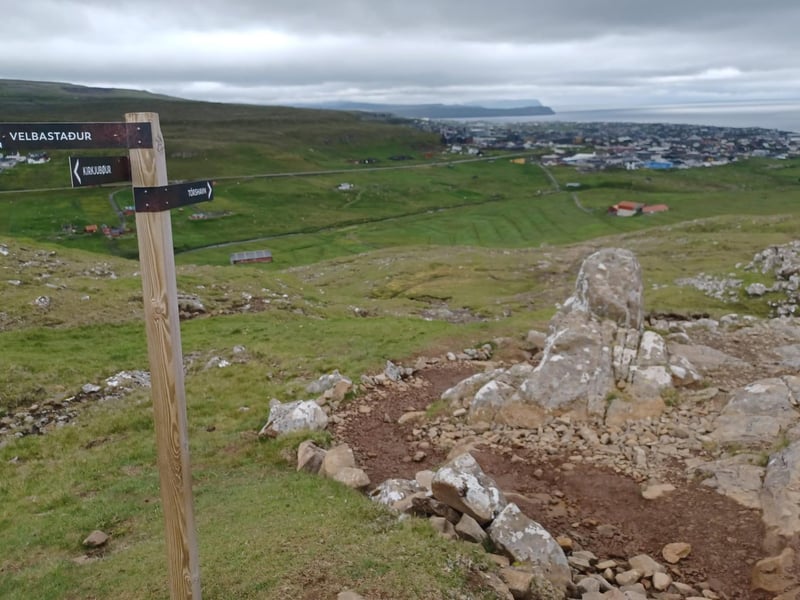
11. A view of Tórshavn at the start of the walk over Kirkjubøreyn mountain to Kirkjubøur and Brandansvík (Brendan’s bay) where St. Brendan is reputed to have landed in the 6th century.
A view of Tórshavn at the start of the walk over Kirkjubøreyn mountain to Kirkjubøur and Brandansvík (Brendan’s bay) where St. Brendan is reputed to have landed in the 6th century. Photo: Kevin Mullan
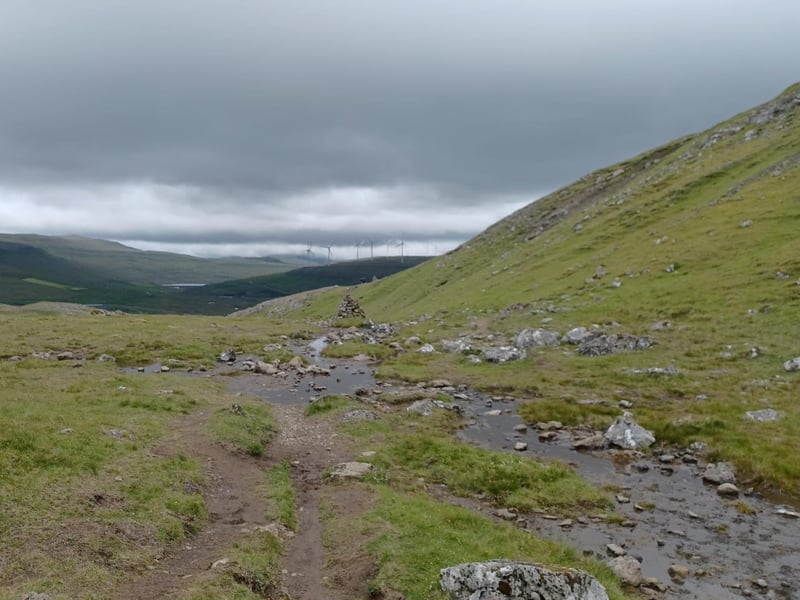
12. The trail over Kirkjubøreyn mountain.
The trail over Kirkjubøreyn mountain. Photo: Kevin Mullan