
Ken McCormack on his new novel Sunset in Albano and Derry’s ‘heroic’ Earl Bishop Frederick Hervey
In the year 1768 a buzz of excitement went round Derry with the news that a new Anglican bishop had been appointed to replace the ailing Dr. Barnard.
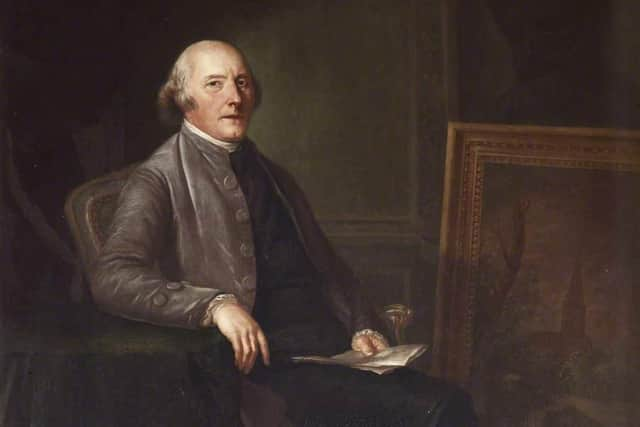
Frederick Hervey, aged thirty-eight, and son of one of England’s great families, had been ‘translated’ to Derry after a short sojourn at the See of Cloyne - not bad for a man who a couple of years earlier was a curate without a parish suddenly to find himself within a year the occupier of Ireland’s richest parish - Derry, famous throughout history would soon be in for a mighty surprise. Here was a man for all but one with some extraordinary traits.
Local folk were not to know that about to descend on them was one of the Eighteenth Century’s most colourful characters - a man renowned for building great houses, collecting magnificent art works, and who, despite his Anglican religion, had sympathies for Catholics and Presbyterians who were still labouring under the severity of the Penal Laws.
However, despite his qualities Hervey was a restless eccentric, at times given to outbursts, and never happy unless he was travelling throughout Europe where, bishop or not, he went on to ‘dally’ with some questionable characters.
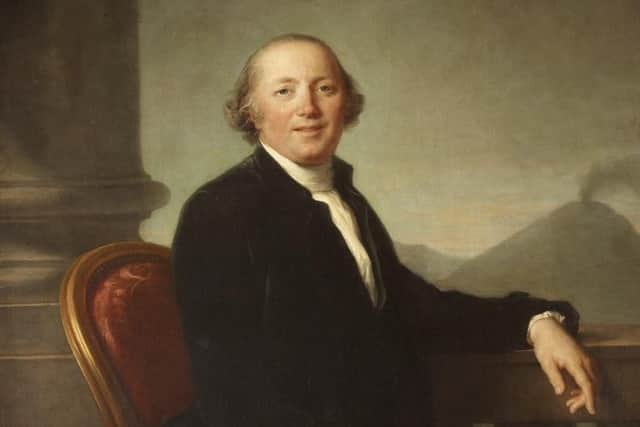

Eventually Frederick Hervey would inherit the title Fourth Earl of Bristol - thereafter he was frequently referred to as the Earl Bishop and having exiled himself in Rome would die there in 1803.
Amazing to relate he was still Bishop of Derry after thirty-five years but for quite a few of them he was never in the diocese at all.
"I shall make your city and county in to a gentleman,” he announced to the delighted congregation at his ordination in Derry’s ancient St. Columb’s Cathedral in 1768. This he did with several new churches and encouragements for farmers to improve their land.
At the same time he reached out to Catholics, put his name at the top of the subscription list for Derry’s first Catholic church and even invited the Catholic bishop to join him in a Protestant procession.
It was no whim that had Frederick urging land improvement for he had learned from his grandfather John Hervey who had developed the family seat at Ickworth in Suffolk and planned a replacement for their residence Ickworth Lodge.
This too gave Frederick the urge to build and within a handful of years he had erected a grand mansion on the cliff top at Downhill, built the Cassina just outside the city and made plans for another great house at Ballyscullion in County Derry.
These ventures helped to keep his rampant restlessness at bay as did frequent trips to the Continent but rows with his family eventually caused his marriage to rupture and he walked out on his wife Elizabeth in 1782.
Then, in what in today’s world is called a ‘mid-life crisis’, he got involved in romantic tangles all of which came to nothing but had King George the Third describing him as ‘That wicked prelate.’
Yet in Derry across all persuasions Frederick Hervey was a hero welcomed and loved by everyone. However, it won him no friends at Court and almost had him arrested.
In the end he exiled himself to Rome - his last home being at Strada Felice atop the Spanish Steps where he kept many of his treasures collected over fifty years of Continental travelling.
But, it almost bankrupted him and ninety-three of his old master paintings along with many souvenirs of Ancient Rome had to be sold to pay off his debts. One of his last achievements was to produce the design for the new Ickworth house in Suffolk - a magnificent domed residence unmatched by any of the great houses built in the 1800s.
Frederick Hervey, Fourth Earl of Bristol and Bishop of Derry, died on the road to Albano just outside Rome on July 8, 1803 and is buried in the crypt of St. Mary’s Church, Ickworth. Proudly remembered in Derry, a great monument sits at Ickworth, paid for as the inscription says ‘…by the citizens of Derry of all religious traditions...’
Incidentally, many of the great hotels around Europe are called ‘Bristol’ in tribute to Frederick Hervey and the many journeys he made.
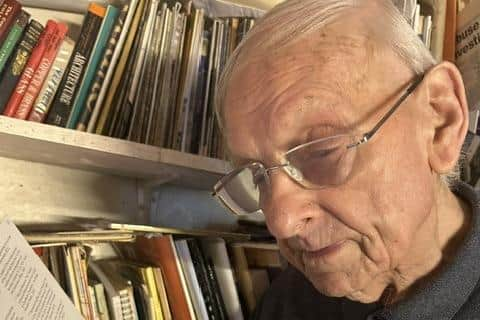
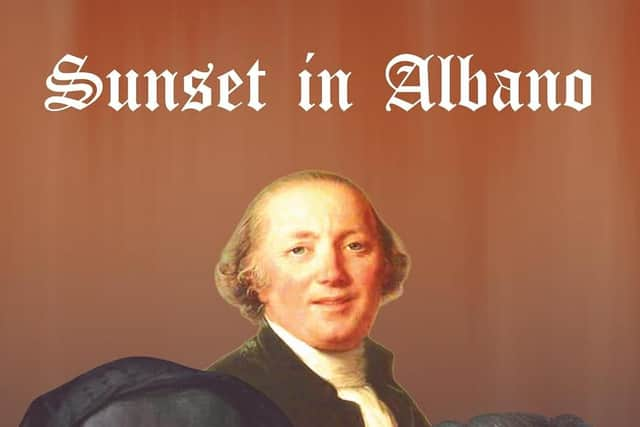
Writer Ken McCormack has travelled across Europe in the footsteps of the Earl Bishop. His novel Sunset in Albano takes readers on a magical journey with the Earl Bishop and has a mysterious ending suited to the colourful life of such an extraordinary man. The is available through all the the usual outlets.