
Buoyant sales, but what’s reliable? Derry Motoring with Jim Mc Cauley
Industry figures for the first three quarters of the year show buoyant markets in both Britain and Ireland. In Britain, September is the crucial ‘new numberplate’ month and was the best for the industry since 2020. The Society of Motor Manufacturers and Traders (SMMT) have reported 313,000 sales in September which brought the year-to-date total up to just short of 1.6 million and a 4.2% increase over the same period in 2024.
Petrol cars dominated as interest in diesel cars dropped to just over 5% of market share. All-electric BEVs showed an increase over the previous year selling just under half of the 750,000 petrol sales, accounting for just over one in five of all new cars sold. This was followed by hybrid models, plug-in hybrids and finally diesels.
The Ford Puma topped the sales chart with the Top Ten an eclectic mix of German, Japanese, Korean and Chinese manufacturers.
In the Republic, SIMI figures also showed an increase in sales. The 121,700 sales to date was up 3.7% over the same period last year. Petrol cars continue to be the dominant choice closely followed by petrol / electric hybrids. All-electrics came in as third most popular with just over 22,000 registered so far this year, representing an increase of 39%. Diesel choice topped plug-in hybrids at the bottom of the fuel types.

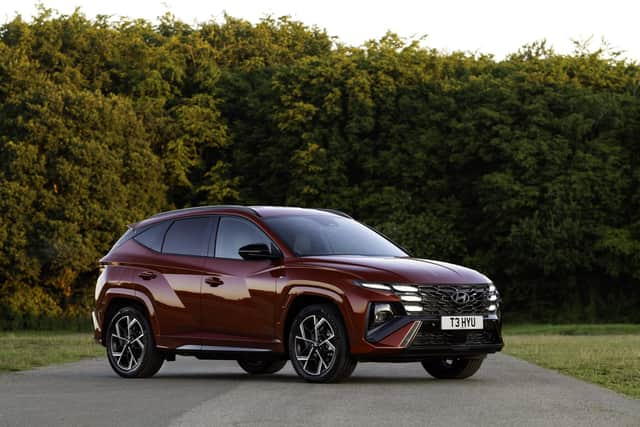
The Top Five brands in the Republic to date are Toyota, Volkswagen, Skoda, Hyundai and Kia. The top selling new car models were the Hyundai Tucson, Skoda Octavia, Kia Sportage, Toyota Yaris Cross and Toyota Rav 4. The top selling electric car was the Volkswagen ID.4, ahead of the Tesla Model 3.
Imported used cars have also increased to almost 54,000 so far this year.
Providing evidence of real world reliability of the cars we purchase is the latest annual reliability survey from “What Car?” magazine . This year has seen a record 227 different models covered, listing the experiences of over 32,000 owners. Participants were asked to report under sixteen category headings of their experiences during the past two years of ownership.
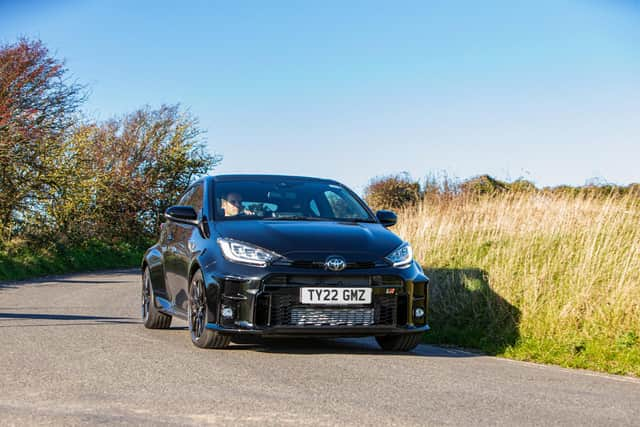
Topping the survey was the Hyundai i10 in production from 2020, which along with the other top performers returned a 100% reliability rating. Sharing the honours in the top position were the Hyundai Santa Fé (2018-2024), Kia EV3 (2024 – present), and Toyota GR Yaris (2016-present). The Toyota Aygo Cross (2021-present) completed the Top Five with a 99.7% reliability rating.
At the opposite end of the survey, the most unreliable car was found to be the Nissan Juke, petrol (2019-present). Its reliability rating was 55.2%, followed by the Volkswagen Tiguan with a 64.2% rating. The Top Five of the most unreliable cars was completed by the Kia Sportage (2016-2021), the Mazda CX-60 (2022-present), and Mercedes-Benz C-Class (2021-present).
Considering fuel types, petrol engined cars fared best overall with the lowest average fault rate (19%) and most likely to be fixed in a day or less. Hybrids came second with 21% faults, while electric vehicles averaged a fault rate of 27%. Of concern was the fact that 47% of these vehicles that developed a fault were off the road for more than a week.
Diesel cars proved to be the least dependable with a fault rate of 24%.