
Warning issued after woman 'badly stung' by weever fish at Linsfort Beach
Visitors to Linsfort Beach in Buncrana have been urged to be cautious after a woman was ‘badly stung’ by a weever fish.
Donegal County Councillor Jack Murray, posting on Facebook, said he had been asked to ‘put a note of caution’ after the incident at the popular Inishowen beach.
He added: “The National Poisons Information Centre of Ireland also recently issued a statement warning that weever-fish were present in Donegal.
“This lady advises that the poison was so strong that she burned her hands removing the sting.
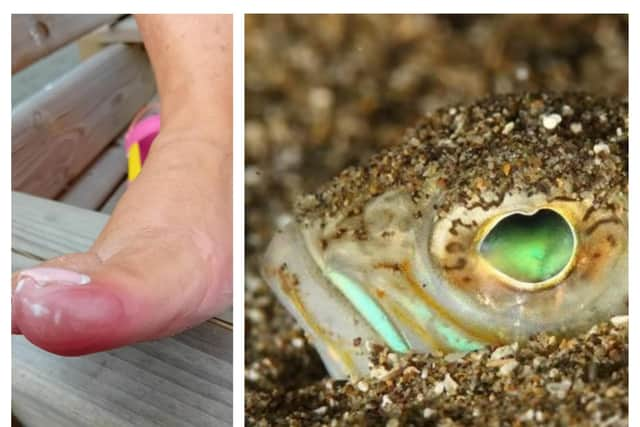

“Enjoy the beaches, but take care.”
Weever fish tend to lie buried in sand close to the low water mark when the tide is out.
Last week, Causeway Coast and Glens Borough Council advised beach-goers visiting the seaside in North Derry to be aware of the venomous fish.
"These fish spend most of their time on the seabed close to shore, often submerged in the sand, and can deliver an excruciating sting to anyone who stands on one,” the council stated.
CC&GBC said: “In order to significantly reduce the risk of being stung it is generally advised to wear protective footwear such as flip-flops or crocs.”
The best way to deal with a sting is by applying hot water.
The following advice is issued for anyone who is unlucky enough to be stung.
• Use tweezers or the edge of a credit card to carefully remove any spines or fragments from the skin, avoiding rubbing the area.
• The affected area should be soaked in the hottest water that can be tolerated (45°C or 113°F) for at least 30 minutes. Some first aid resources suggest using seawater, rather than fresh water, to rinse the wound.
• Over-the-counter pain relievers like paracetamol or ibuprofen can help manage the pain.
• If the pain is severe, persistent, or if there are signs of infection (redness or swelling), seek medical advice.
According to Irish Water Safety the weever fish are more likely to be found close to the low water tide mark.
"Weever fish lie buried in shallow sandy waters, with only their eyes and venomous dorsal spines visible. If accidentally stepped on, their dark-tipped spines can deliver a painful sting.
"To reduce the risk, wear beach shoes when paddling or walking in shallow water. If stung, immerse the affected area in hot water which helps break down the venom’s protein.