
Budget 2026: £100 energy payment, fuel freeze extension and tariff reduction for household goods
John Healey has announced the Executive will receive funding for a £100 household energy payment for lower income households while a temporary VAT cut on electricity bills is to be extended until July 1, 2027.
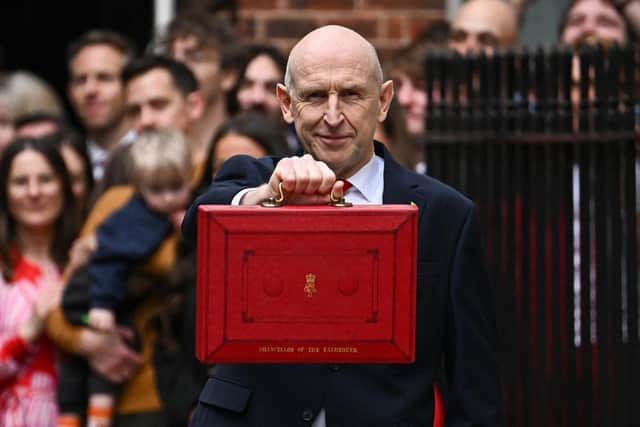
The British chancellor of the Exchequer announced the measures in his first Budget on Wednesday.
Households in England are set to receive direct £100 payments into their bank accounts from January 2027 through the £2.6 billion Household Energy Payment.
The Executive and other devolved administrations will receive a proportionate allocation to fund a similar scheme under the Barnett formula.

The temporary VAT cut on electricity bills, meanwhile, has been extended until July 1, 2027.
Mr. Healey told the British House of Commons he was introducing the £100 energy payment in England because rising energy costs arising from conflict in the Middle East were a ‘real worry’.
"It will be paid directly into people’s bank accounts to deal with rising energy bills. That is a £2.6 billion scheme to take the pressure off in the coldest months and see people through to the spring. The Scottish, Welsh and Northern Ireland Governments will receive their share of this funding, and I call on them to do the same and give people in all nations of the UK breathing space on their energy bills this winter,” he declared.
The Chancellor confirmed that the 5p fuel duty cut and freeze is being extended until July 2027 and that the Heavy Goods Vehicle (HGV) road tax holiday will be maintained until the same date.
The Government estimates that this will ‘save the average car driver £230, the average large goods driver saves £472 and the average heavy goods driver nearly £4000 compared to plans under the previous government, and means petrol and diesel will be 15p per litre cheaper from April 2027’.
Measures are also being introduced to support households struggling with price inflation.
Tariffs are being temporarily reduced on over 100 food and drink products to lower import costs on ‘family favourites including baked beans and chocolate’. There will also be tariff cuts on kerosene and fertiliser to support households and farmers.
The temporary suspension of tariffs on fertiliser and kerosene heating oil will be of particular benefit in the North, the government states.
"This will lower production costs for the UK’s agricultural sector and support households that rely on heating oil to heat their homes, including many people in rural areas and Northern Ireland. Food and kerosene suspensions will be in place for two years until December 2028. Fertiliser tariffs will be suspended until December 2027,” the budget advises.
The State Pension is to rise by 3.9 per cent from April to £13,036 taking it above the income tax threshold of £12,570.
But Mr. Healey promised to deliver a ‘new Pension Tax Allowance, so that pensioners with income of up to the value of the full new State Pension will not pay income tax in this Parliament’.
This ensures that from April 2027, people above State Pension age with total income up to and including the value of the new State Pension will not pay income tax thanks to the Pension Tax Allowance.
People on low incomes are set to benefit from a wage increase next April when the National Living Wage rises by 3.9 per cent to £13.21 per hour. This uplift represents an increase of £910 to the gross annual earnings of a full-time worker on the National Living Wage, the Government says.
The National Minimum Wage for 18- to 20-year-olds will also increase by 3.9 per cent to £11.27 per hour.
No material changes have been signalled for people who rely on welfare payments for their income, however, Mr. Healey said that the Government intends to ‘increase face-to-face assessments for health benefits’.
Mr. Healey said new measures will be brought in to tackle fraud and error while ‘entitlement to benefits will be removed from prisoners detained in hospital who have been convicted of the most serious violent and sexual offences’.
Taxes, meanwhile, are set to be increased on savings and property income.
"I am increasing the rates of tax on income from property and savings by a further two percentage points from April 2027, with no change to tax on income from dividends and no change to tax on income from employment. Eighty-eight per cent of people will pay no more tax on their savings, and I am taking a new approach today to encourage people on ordinary incomes to save and to invest,” Mr. Healey told MPs.
Alcohol duty is due to be increased in line with the Retail Price Index to ensure it ‘maintains its real terms value’ but the government has pledged £10million in alcohol duty relief for around ‘2,000 small British brewers and British cider makers’.
A five per cent tax hike for high risk gambling machines is also in the offing.
The rate of Machine Games Duty will increase from 20 per cent to 25 per cent on machine games with stakes over £1 from April 2027, the government has revealed.
Vape shops and adult gaming centres in England will also no longer benefit from certain business rates reliefs and the Executive will receive funding under the Barnett formula to fund a similar move if it chooses to do so.
Businesses are to benefit from a new British Industrial Competitiveness Scheme will take 25% off electricity bills for 10,000 energy intensive firms in April including a back payment for 2026-27. While this will apply in Britain the Northern Ireland Executive will receive funding to deliver a comparable scheme.