
Walk in Inishowen to raise funds for memorial to life-long Republican Neil Gillespie
A sponsored walk to raise funds for a memorial honouring late Republican Neil Gillespie will take place from his native Shroove later this month.
The walk from Shroove Car Park to Greencastle will be held on Sunday, September 27.
Neil was born in Shroove in north Inishowen in 1899 and moved to the Bogside / Brandywell area of Derry at the age of 14 with his five brothers and their parents, Daniel Gillespie from Shroove and Catherine (nee McMenamin) from the Waterside. His father had been a pilot on boats along the River Foyle and moved to Derry to work on the developing Transatlantic and cross-channel routes.
As a teenager in Derry, Neil first joined The Irish Volunteers and later the Irish Republican Army. He would go on to have a remarkable life and became very well known across the north west and indeed across Ireland.
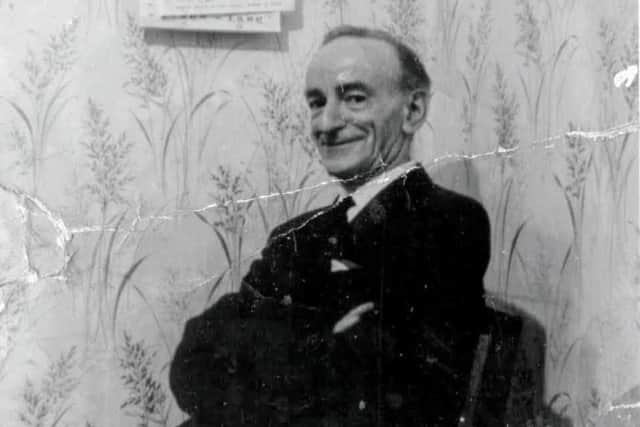

Speaking on behalf of the organising committee, Chris McKnight said Neil Gillespie remained an active Republican for the rest of his life and endured imprisonment and hunger strike for his beliefs. Neil Gillespie also represented the Republican Movement in elections and was a founding member of The Provisional Irish Republican Army in 1970.
"Neil was a very strong Republican and a quiet man. He was a leading light, but he hid that light under a bushel,” Mr McKnight said, adding: “He lived in the Brandywell, and was a resident of the Red Row before the redevelopment of the area. He later moved to Lone Moor Road and is buried in the City Cemetery.”
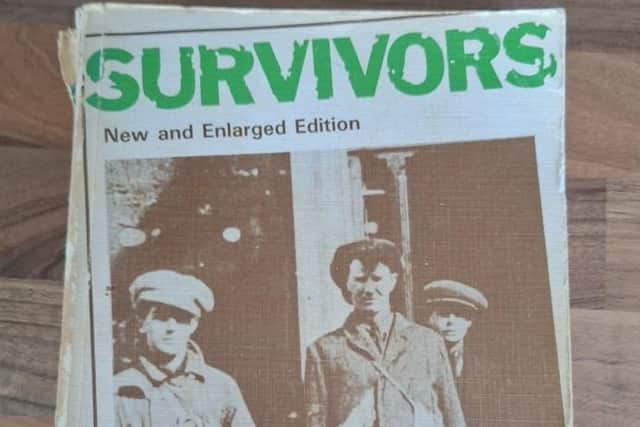
Along with some of his contemporaries who lived through, participated in and helped shape events in Ireland in the early half of the 20th Century, Neil recounted his early life in the 1980 book ‘Survivors’ by veteran Irish journalist and architect Uinseann Mac Eoin.
In his testimony Neil recalls those early years of the Republican movement in Derry around the time of the Easter Rising, the Civil War and on through to Partition, and his own activities through to the 1940s. He recalls Republicans in Derry meeting in the Shamrock Hall beside the Slaughterhouse, and how he was “utterly and absolutely” opposed to the Treaty which led to Partition.
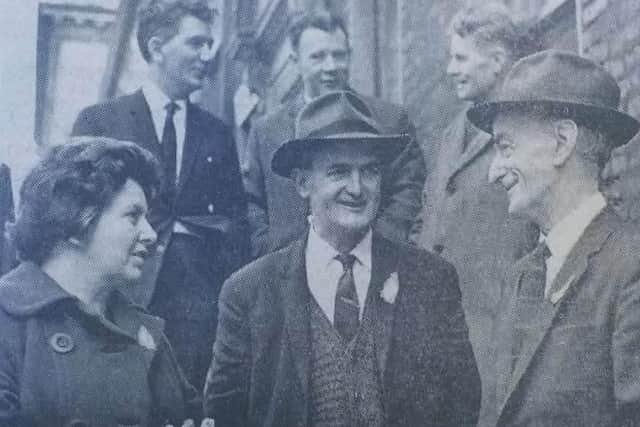
In one instance the veteran Republican recalled how he escaped from a farmhouse in the Skeog area near Burt after he and his comrades came under attack from Buncrana-based Free State troops shortly after the occupation of the Four Courts in Dublin.
A short time pater however he would be caught in a house in Muff which had been surrounded and shots were fired. After five weeks in police barracks, along with around 50 others rounded up from across Donegal, he was put on a boat, the Lady Wicklow, bound for Dublin and recalled how they were given nothing to eat at all during the seven days they spent onboard.
They were then taken from Dublin to Newbridge Camp where hundreds of others, including prominent Republicans of the time, were imprisoned. Neil recalls attempts there to escape via underground tunnels, and how in October 1923 after word filtered through about the Hunger Strike from Mountjoy, he and others followed suit. Neil would remain on the Hunger Strike for 20 days until word came through that it was to end.
"The only thing I can recall from it is the feeling I had constantly of the sheer, mad ravenous hunger. Even when asleep, which you could do only fitfully, you would dream of food,” he recalled in ‘Survivors’.
After being released from prison later that year he returned to Derry and took the only job available, a choice he was pretty happy with: he followed in his father’s footsteps and became a seaman, spending several years travelling up and down the American coast from the U.S. to Brazil, Uruguay and Argentina and across to the Caribbean.
While some of his fellow sailors settled in cities across the U.S. Neil wasn’t tempted to join them. "I could not,” he says, “get used to to the idea of living anywhere else except in Ireland, in Derry in fact. So in 1928 I came home.”
On his return he resumed his Republican activism, regularly attending meetings in Dublin and carrying out assignments. He also got work in Derry selling insurance and tea, at times doing his rounds on a bicycle.
He would later spend time onboard another ship, the Al Rawdah, as a prisoner on Strangford Lough, and in the 1940s was imprisoned in Crumlin Jail.
Neil passed away in Derry in 1980.
The walk in his memory will commence from the Shoove Beach Carpark at 2pm bound for Greencastle and the route is approximately three miles. A fundraising event will then take place at the FerryPort bar, where light refreshments and music will be provided.
A free bus will be provided on the day. Pick-up will be at Free Derry Corner at 1pm. Those intending to walk will be dropped off at Shoove and those supporting the event but who are unable to walk will be dropped off at The FerryPort Bar. The bus will return at 7pm for return journey to Derry.
It is envisaged that the memorial stone/ cross will be unveiled at the Shroove Carpark at a later date. Sponsor sheets are available from The Sinn Fein office at Rathmore.
"All Republicans are welcome to honour this great Irish man,” Mr McKnight said.
Anyone wishing to make a donation to the memorial can do so at PayPal @billmaginn